
The OneThread Framework
The OneThread Framework
10 Pillars.
One Connected System.
10 Pillars.
One Connected System.
10 Pillars.
One Connected System.
Sustainability is not a single metric. It is the result of interconnected systems working together across a business.
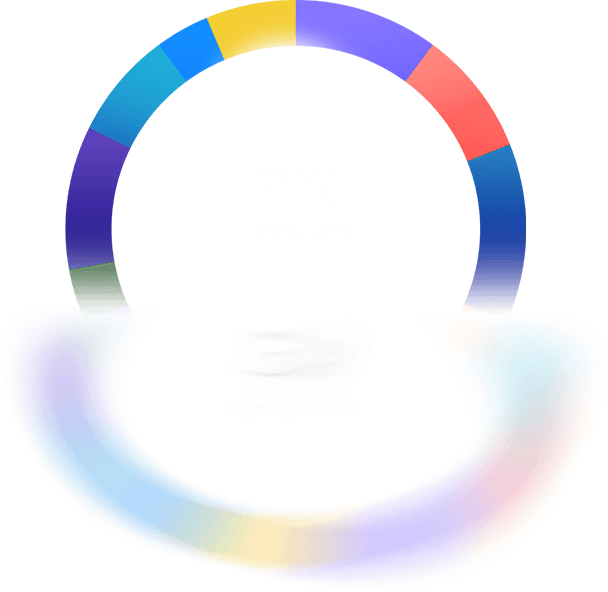
The OneThread Framework evaluates fashion brands across ten pillars that measure environmental responsibility, social impact, cultural preservation, governance, transparency, and long-term resilience.
Together, these pillars create a holistic view of sustainability while providing a practical pathway toward documentation, verification, and continuous improvement.
Sustainability is not a single metric. It is the result of interconnected systems working together across a business.
The OneThread Framework evaluates fashion brands across ten pillars that measure environmental responsibility, social impact, cultural preservation, governance, transparency, and long-term resilience.
Together, these pillars create a holistic view of sustainability while providing a practical pathway toward documentation, verification, and continuous improvement.


Introduction
Introduction
Introduction
Most sustainability frameworks focus on isolated issues such as materials, carbon emissions, or certifications. OneThread takes a broader approach.
Our framework was designed specifically for emerging fashion ecosystems and recognises that sustainability extends beyond environmental impact. It includes labour practices, cultural preservation, community participation, governance, innovation, circularity, and shared value creation.
Each pillar represents a critical component of a sustainable fashion system. Individually they provide insight. Together they create a comprehensive picture of how a brand operates and where opportunities for growth exist.

01
Materials + Sourcing
Where it comes from — and what it's made of.
How materials are sourced, traced, and managed across the supply chain.
02
Labour +
Production Ethics
Who makes it — and how.
How workers are protected, compensated, and empowered throughout production.
03
Community Engagement
Who the brand serves beyond the customer.
How brands build meaningful relationships with the communities they work with.
04
Customer-Centred Sustainability
What happens after the sale.
How products are designed for durability, repairability, accessibility, and long-term use.
05
Environmental Impact
What the brand leaves behind.
How resources, emissions, waste, and operational impacts are measured and managed.
06
Innovation + Design Thinking
How the brand solves problems sustainably.
How creativity, technology, and systems thinking are used to solve sustainability challenges.
07
Circular Economy
+
Waste Management
What happens when the product's life ends.
How products and materials are kept in circulation and waste is reduced.
08
Transparency + Accountability
What the brand is willing to show.
How sustainability practices are documented, disclosed, and verified.
09
Cultural Sustainability +
Narrative Sovereignty
Whose story is being told — and who owns it.
How heritage, indigenous knowledge, craftsmanship, and cultural ownership are protected and celebrated.
10
Ubuntu-Driven Economy +
Shared Value
Who benefits from the brand's success.
How economic value is distributed across communities, suppliers, workers, and stakeholders.
Sustainability
Sustainability


Materials & Sourcing
01


Community Engagement
03
Labour + Production Ethics
02
Customer-Centred Sustainability
04
Environmental Impact
05
Innovation + Design Thinking
06
Circular Economy + Waste Management
07
Transparency + Accountability
08
Cultural Sustainability + Narrative Sovereignty
09
Ubuntu-Driven Economy + Shared Value
10
01
Materials + Sourcing
How materials are sourced, traced, and managed across the supply chain.
Where it comes from — and what it's made of.
01
Materials + Sourcing
Where it comes from — and what it's made of.
How materials are sourced, traced, and managed across the supply chain.
02
Labour +
Production Ethics
Who makes it — and how.
How workers are protected, compensated, and empowered throughout production.
03
Community Engagement
Who the brand serves beyond the customer.
How brands build meaningful relationships with the communities they work with.
04
Customer-Centred Sustainability
What happens after the sale.
How products are designed for durability, repairability, accessibility, and long-term use.
05
Environmental Impact
What the brand leaves behind.
How resources, emissions, waste, and operational impacts are measured and managed.
06
Innovation + Design Thinking
How the brand solves problems sustainably.
How creativity, technology, and systems thinking are used to solve sustainability challenges.
07
Circular Economy
+
Waste Management
What happens when the product's life ends.
How products and materials are kept in circulation and waste is reduced.
08
Transparency + Accountability
What the brand is willing to show.
How sustainability practices are documented, disclosed, and verified.
09
Cultural Sustainability +
Narrative Sovereignty
Whose story is being told — and who owns it.
How heritage, indigenous knowledge, craftsmanship, and cultural ownership are protected and celebrated.
10
Ubuntu-Driven Economy +
Shared Value
Who benefits from the brand's success.
How economic value is distributed across communities, suppliers, workers, and stakeholders.
The Ten Pillars
The Ten Pillars
The Ten Pillars
What does your sustainability profile look like?
What does your sustainability profile look like?
What does your sustainability profile look like?
Take the free assessment and receive:
Take the free assessment and receive:
• Sustainability Maturity Score
• Verification Readiness Assessment
• Pillar-by-Pillar Analysis
• Infrastructure Gap Analysis
• Prioritised Improvement Roadmap
Designed and Developed by Onethread 2026
Designed and Developed by Onethread 2026
Designed and Developed by Onethread 2026