Africa Has Always Been Sustainable
Nyaniso Tutu-Burris
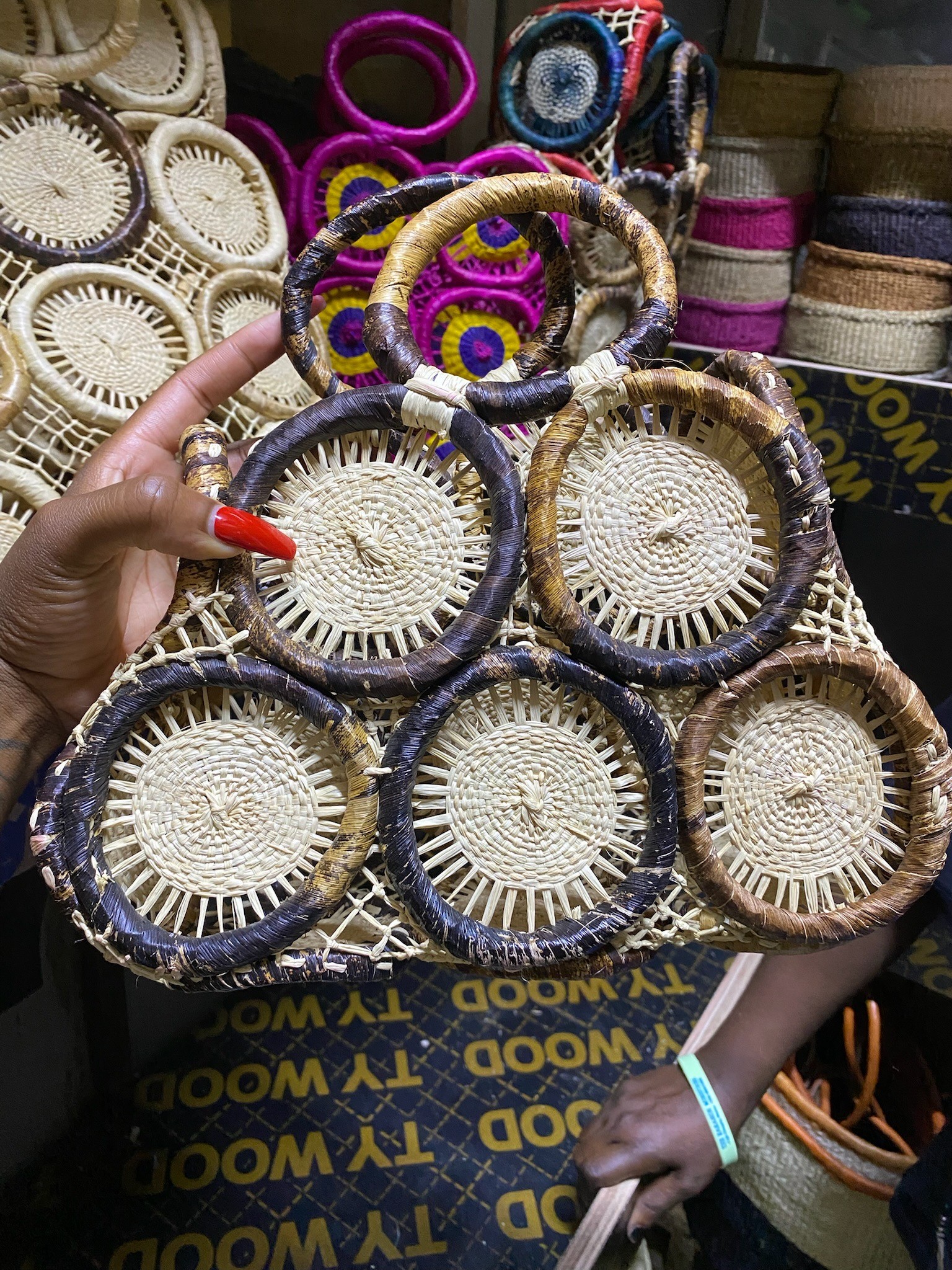
~ Handwoven bags, Mwiriro Market vendor Maragaret Shop A72
Nairobi Day One
Today marks one year since choosing OneThread. And today started at an APBED school (an Alternative Provider of Basic Education) called Brilliant Angels Academy in Nairobi, Kenya.
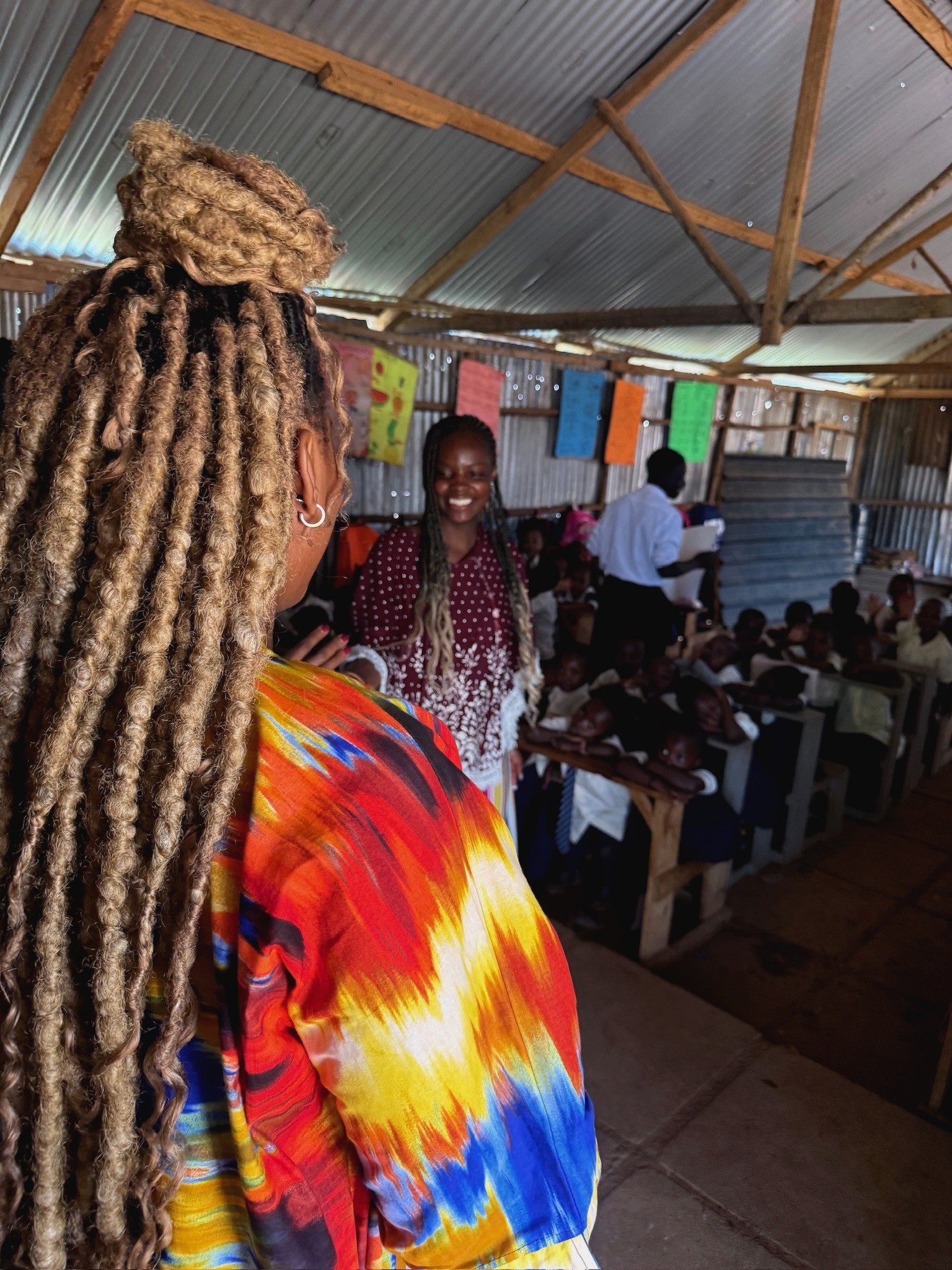
~ Inside Brilliant Angels Academy
It serves 336 children from preschool to Grade 6. And what struck me wasn’t just the classrooms. It was the model.
After independence, Kenya didn’t build new public schools to match population growth. The population increased. New government schools didn’t just not come fast enough, they didn't come at all. So communities responded. Private schools were developed. And then APBEDs emerged; schools created by ordinary people who refused to let access to education depend on infrastructure that would never arrive.
They built anyway.
Not because it was profitable. Not because it was trendy. Not because sustainability was a strategy. But because children needed classrooms.
The model runs on community. On volunteers. On people giving back (but really people giving forward). On people doing, without waiting for permission.
And standing there, was confirmation of the thing I've been saying all along: Africa has always been sustainable.
It’s strange that we speak about “bringing sustainability to Africa,” when Africa survived because of it. Somehow “sustainability” became a department. A certification framed and plastered on a wall. A fashion filter on the e-commerce site, or added to the IG bio of brands trying to prove that you can shop with them. A corporate strategy, ESG framework, a necessary panel at almost every event run on buzzwords.
And in doing that, we narrowed it. We forgot where it actually lives. We forget to look for it in community organisations, health clinics, informal markets. In stokvels and burial societies. In aunties who stretch a meal across three households.
In APBEDs like Brilliant Angels Academy.
We forgot that sustainability doesn’t begin in boardrooms, it begins in community. If we are honest, the very essence of being human is collective. Ubuntu is not a poetic slogan. It is an operational framework.
“I am because you are.” As my grandfather said, my humanity is directly linked to yours.
We learn to walk because someone else walked.
We learn to speak because we were spoken to.
We learn to create because someone else created.
The things that make us human only exist because there was another human present. Even our independence is inherited. And that is sustainability.
Later, at the Mwariro market, we learned about soapstone, mined locally here in Kenya. Artisans have been carving it since childhood. Skills passed down not through formal institutions, but through proximity. Through watching. Through doing.
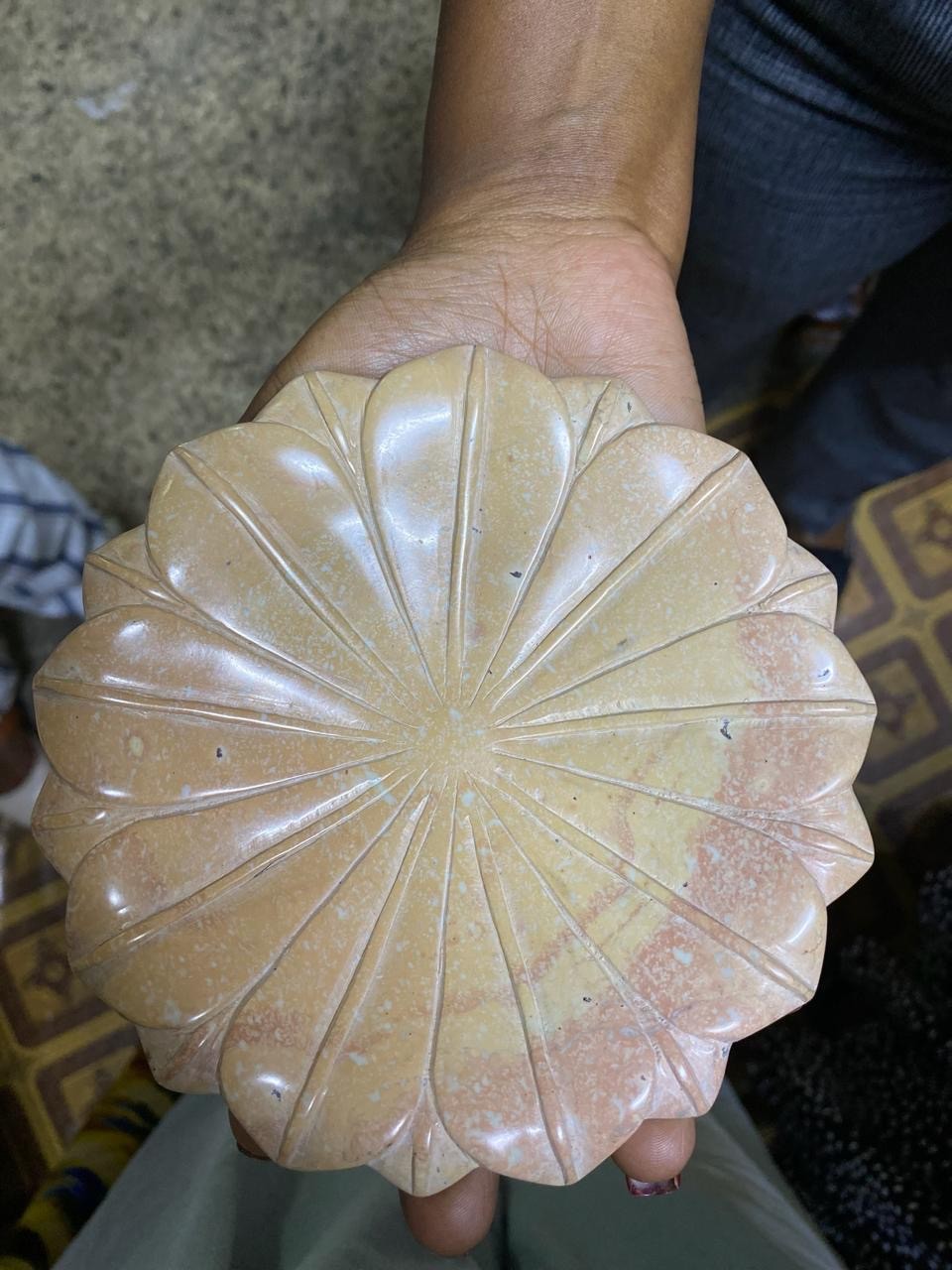
~ Soapstone craft, Mwiriro Market, vendor Justice shop A77
They learned because it was around them. They create because it is here. And again, it is not framed as sustainability. It is not marketed as “circular economy”, it is not positioned as “ethical production”.
It is simply continuity.
Using what the land provides.
Building skill from what surrounds you.
Making something with your hands because that is how knowledge travels.
Some of the artisans aren’t even selling consistently. There’s no glossy value chain presentation. No dashboard. No certification. Just craft. Inheritance. Muscle memory.
And I kept asking myself, “What would still be here if the funding disappeared?”
“What would still function if the job title was removed?”
“What survives because the community needs it to?”
That’s sustainability.
Not just carbon tracking. Not just impact dashboards. Not just investor language.
Sustainability is continuity of care across generations.
It is shared survival. It is knowledge transfer. It is resourcefulness born from necessity.
It is making something last because you must; not because it trends.
Africa did not discover sustainability… we practiced it long before it was branded. The question is not whether these communities are sustainable.
The question is whether our global systems recognise them as such - or only validate sustainability when it is digitised, certified, and monetised.
One year in, I am clearer than ever: We are not teaching Africa sustainability. We are remembering it.
And maybe the real work is making sure that when the global frameworks finally catch up, they don’t erase the communities that kept it alive in the first place.