Africa Doesn’t Have a Sustainability Problem. It Has an Infrastructure Problem.
Nyaniso Tutu-Burris
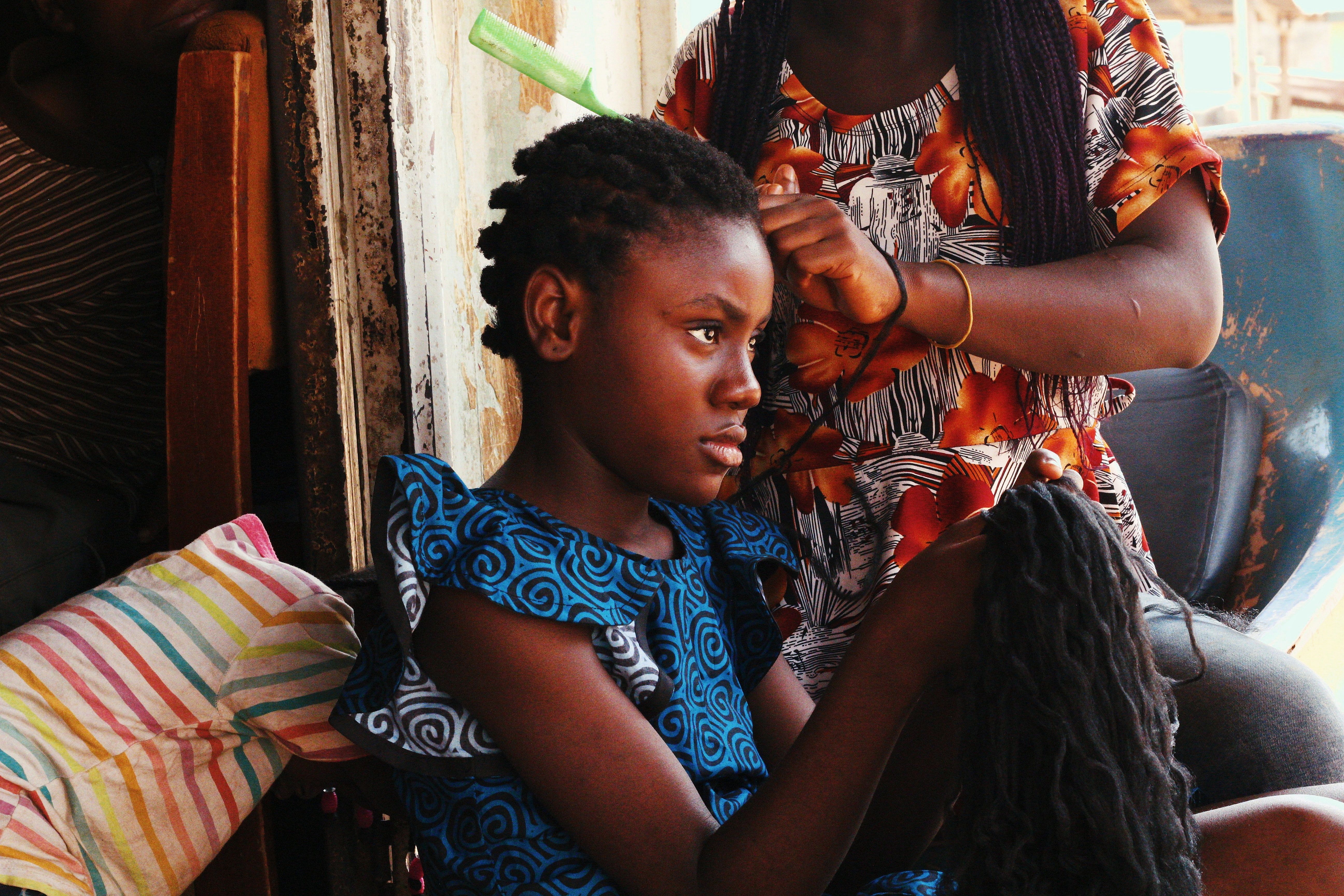
There is a sentence I keep returning to as we build OneThread: the person isn’t invisible; the system is incapable of seeing them.
We talk about Africa’s infrastructure problems all the time. Usually, we mean the visible ones: roads, electricity, internet connectivity, ports, public transportation. Those problems are real, but underneath every piece of physical infrastructure is another kind of infrastructure that receives far less attention: the systems that determine how economies function, how businesses are recognised, how work is recorded, how value moves, and ultimately, who gets to participate.
A road is not simply a road. It tells you what two places someone thought were worth connecting.
A railway is not simply a railway. It tells you what someone wanted to move, where they wanted it to go, and who they expected to benefit when it arrived.
That matters in Africa because much of the infrastructure we inherited was never designed primarily to help African economies function for African people. Colonial infrastructure was frequently designed around extraction. Raw materials needed to move efficiently from where they were produced or extracted to ports, and from ports into European markets. Infrastructure connected resources to exit points because the economic objective was not necessarily to build interconnected local economies capable of turning raw materials into finished goods. The objective was to move value out.
Political independence did not automatically redesign those systems. A flag can change much faster than infrastructure can.
And this is the part of the post-colonial conversation people often find uncomfortable: systems can continue producing the outcomes they were designed to produce long after the people who designed them have left. If the infrastructure for extracting a raw material is stronger than the infrastructure for processing it locally, we continue exporting raw materials and importing finished products. If the systems for trading internationally are stronger than the systems for trading between neighbouring African economies, commerce continues following those routes.
This is why I increasingly believe that many of the challenges we describe as African sustainability problems are actually infrastructure problems.
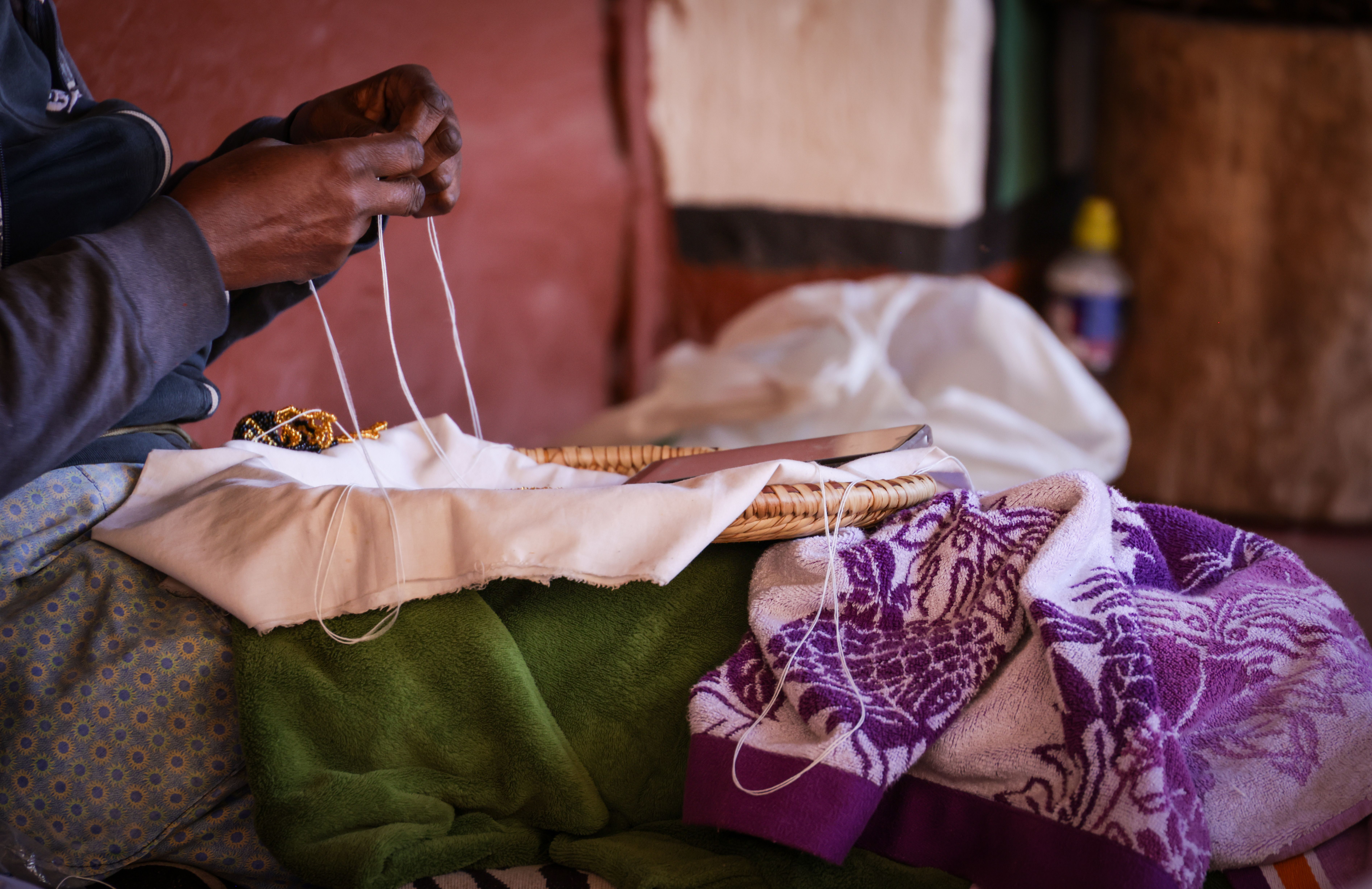
The Business Exists. The System Just Can’t See It.
I was speaking with Trevor Manuel recently about the informal economy, and he raised an example from COVID-19 that made something click for me. When governments needed to create financial safety nets during the pandemic, one of the enormous challenges across African economies was the sheer number of people working informally.
These people were not unemployed. They were working.
They were farming, sewing, driving, cleaning, selling, building, repairing, cooking and trading. They were keeping households and economies functioning. But many of them did not exist inside the formal infrastructure through which a government could easily identify employment, income or eligibility for support.
The people were visible.
Their work was visible.
The system simply could not see them.
And once you understand that distinction, you start seeing it everywhere.
Think about domestic work. There are people who have worked for the same family every Monday, Tuesday and Friday for fifteen years. Everyone involved understands the arrangement. The worker knows when she is expected. The employer knows what she will be paid. There is a functioning system of work.
But there may be no employment contract. Payments might happen in cash or through an e-wallet. Leave might be arranged through WhatsApp. There may be no digital payroll record, no formal documentation of years of employment and, depending on how that relationship has been structured, no straightforward way for that worker to access the protections a formal employment system is supposed to provide.
I can admit that I have participated in versions of that system myself. It is normal enough that many of us do not even recognise it as an infrastructure problem. You ask a WhatsApp group if anyone knows a housekeeper. Someone sends a number. You agree on the days and the rate. Someone starts working.
The relationship is real. The work is real. The money is real.
But to an institution looking for a particular kind of documentation, parts of it may as well not exist.
Informal does not necessarily mean unprofessional. It does not mean disorganised. It does not mean illegitimate. Often it simply means not formalised in the language the institution recognises.
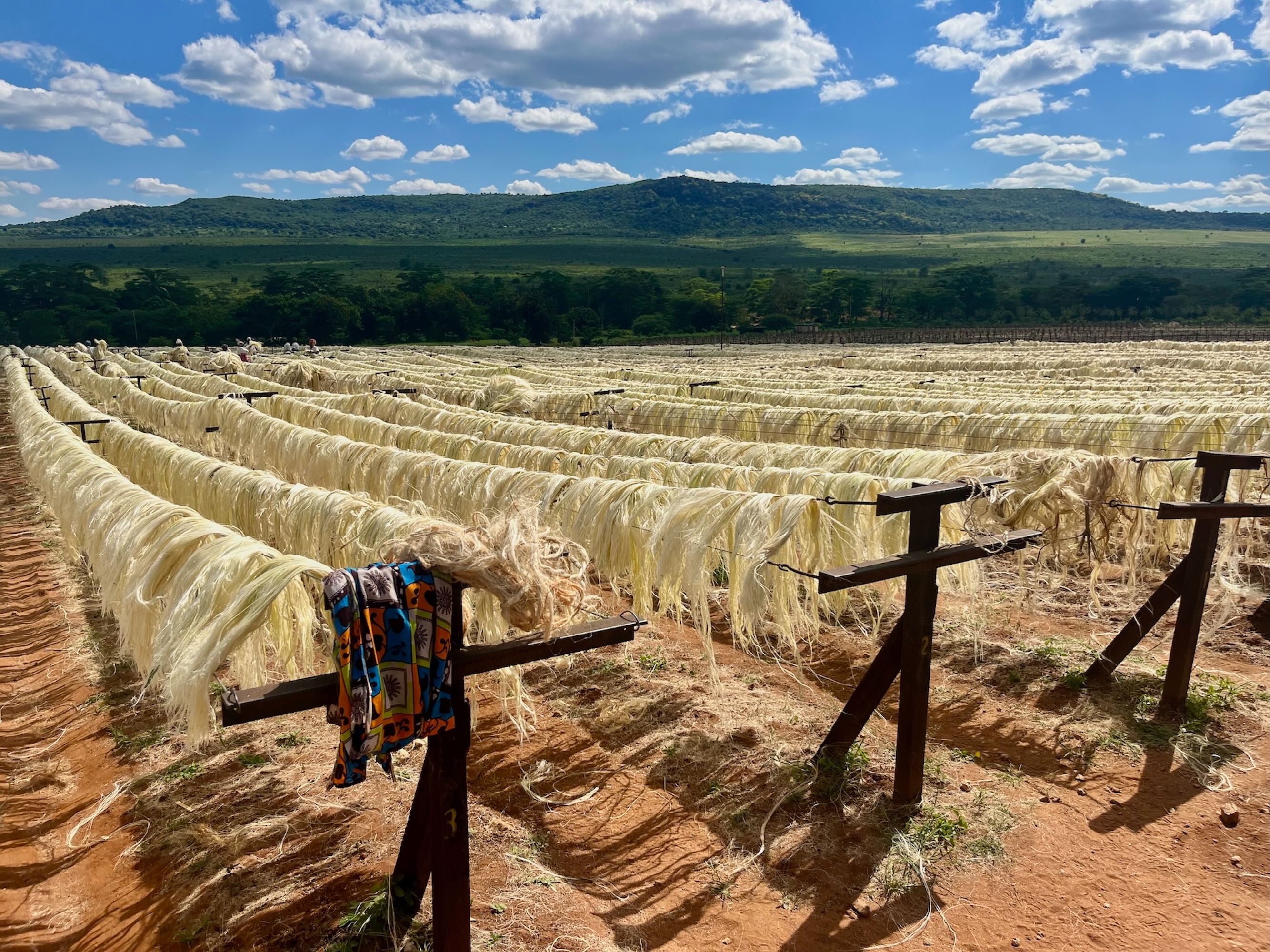
African Businesses Have Systems. They Just Don’t Always Look Like Software.
The same thing happens inside businesses.
I meet entrepreneurs who know their suppliers personally. Orders happen through WhatsApp. Agreements are based on relationships that have existed for years. Receipts are kept, but they are kept physically. Financial records exist, but when someone says they “keep the books,” they may mean an actual book.
Production is happening. Money is moving. Products are being sold. Customers are being served.
Then someone asks for a digital audit trail.
Suddenly, a functioning business looks unsophisticated because its information is not structured in the expected format.
That distinction is becoming more consequential as global commerce becomes increasingly digital. The requirements around traceability, product information, verification and Digital Product Passports are part of a much larger transition towards economies in which participation depends increasingly on structured data.
The problem is not that African businesses cannot function. Many have been functioning for decades.
The problem is that what works between two human beings does not always translate cleanly into what works between a human being and a database.
And databases are increasingly becoming gatekeepers.
I Know What It Feels Like to Exist in Real Life and Not on Paper
This is not abstract to me.
For years, I have worked for myself. I earned money. I paid my bills. I supported my household. But try explaining irregular self-employed income to a system designed around a monthly salary slip.
When I was trying to rent a home, I encountered this repeatedly. Someone could look at my bank account and see that money was coming in, but because it did not necessarily arrive on the same date every month or appear under the word “salary,” the system struggled to interpret it.
Maybe I received a large payment on the 15th that covered the next six weeks. By the end of the month, when a closing balance was reviewed, that number might naturally be lower because I had spent the money on the things income is supposed to pay for. A human being looking at the entire picture could understand what happened.
A rigid system might simply conclude: unstable income.
The same thing happens with credit. Proof of address. Tax registration. Banking. Procurement. Insurance. Customs.
There are technically pathways through many of these systems, but they can be exhausting to navigate, particularly when your life does not resemble the default user the process appears to have been designed around.
Eventually, many people develop workarounds.
A small business exports an item and declares it differently because that makes customs manageable. Someone who cannot access conventional credit simply learns that if they want something, they need enough cash to buy it outright. Businesses build parallel systems because the official infrastructure is too difficult to navigate.
People call that informality.
I sometimes think it is adaptation.
But adaptation should not have to become permanent exclusion.
Digitisation Can Make This Better... or Much Worse
There is enormous potential in the digitisation of African commerce. Better digital records can unlock access to finance, trade, verification, customers and markets. Traceability can make previously invisible value visible. Data can allow businesses to demonstrate histories that previously existed only in relationships and memory.
But I am also wary of what happens when we confuse digitisation with progress.
One of the things I genuinely love about living on this continent is something other people might describe as inefficiency.
There is still room for humanity.
I have lived in places where systems are incredibly efficient. And efficiency is wonderful until your situation falls outside the dropdown menu. Then you discover that the same system that moves incredibly quickly when you fit its assumptions can become almost impossible to navigate when you don’t.
A computer does not care why the document is missing.
An algorithm does not understand that your supplier does not have email.
A database does not know that the artisan has been working with your family for twenty years. It knows whether the field is complete.
As artificial intelligence, automated procurement, digital compliance and algorithmic decision-making become more embedded in commerce, that distinction becomes increasingly important. If we digitise systems without questioning the assumptions inside them, we risk taking existing forms of exclusion and automating them.
The people who were invisible to the paperwork become invisible to the algorithm. Only faster.
Technology Should Translate Reality, Not Replace It
This is where I believe technology has a different role to play.
I often say that AI can generate, but it cannot create. Technology should not replace human beings; it should make human beings more capable. And I believe the same thing about digital infrastructure.
The goal should not be to force African businesses to abandon the ways they operate until they resemble European corporations.
The goal should be to build technology capable of understanding African businesses well enough to translate what they do into the infrastructure the wider economy requires.
That distinction is central to what we are building at OneThread.
If a designer tells us, “We reuse our offcuts,” that should not remain an anecdote. We should be able to help them log the material, quantify what was used and what remained, connect the record to evidence and eventually demonstrate how much material was diverted from waste.
If a brand says, “We have worked with these artisans for ten years,” we should be able to help turn that relationship into records of participation, payments, governance, consent, community engagement and shared value without pretending the relationship only became legitimate once it entered a database.
If a business knows where its material came from because the founder personally knows the supplier, our job is not to dismiss that knowledge as insufficient. Our job is to help create the traceability infrastructure that allows that knowledge to travel with the product.
That is what I mean when I describe OneThread as a translation layer. We are not trying to teach African businesses how to work.
We are trying to make the work they are already doing legible to systems that increasingly demand structured proof.
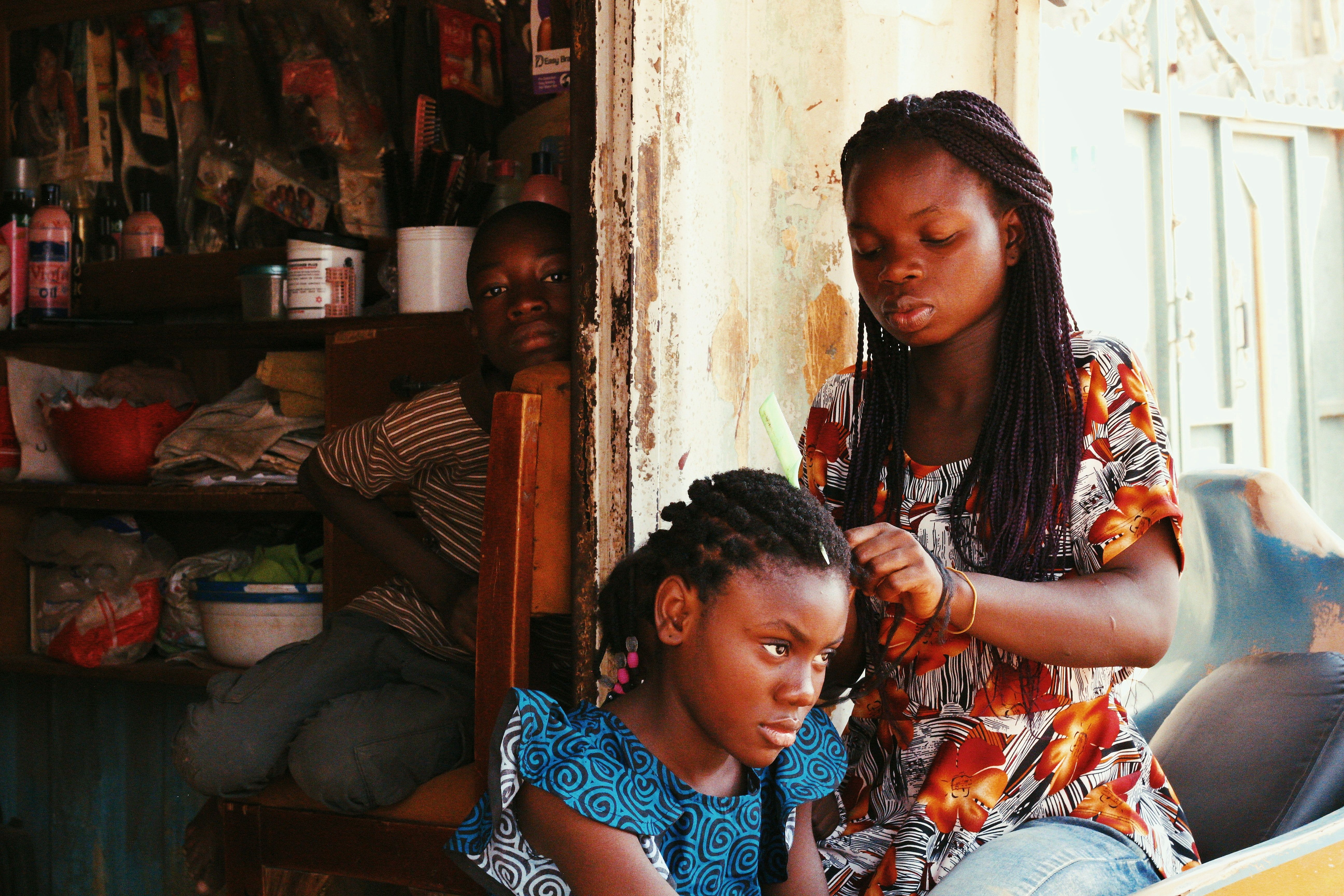
Sustainable by Tradition. Provable by Data.
This is why our phrase, “Sustainable by tradition, provable by data,” matters so much to me. The first half cannot disappear in pursuit of the second.
There are systems of repair, reuse, community exchange, local sourcing, informal collaboration and relationship-based commerce across this continent that existed long before sustainability became a corporate department. We should not destroy those systems simply to make them easier for a computer to understand.
But we also cannot romanticise informality when it prevents people from accessing protection, finance, markets or economic opportunity.
A worker deserves the relationship and the contract.
A designer deserves the trust of her supplier and the traceability record.
A business deserves the flexibility of its local ecosystem and the infrastructure required to enter global markets.
It does not have to be one or the other.
That is the future I want us to build.
Because the next phase of African commerce should not be about teaching African businesses how to work. They have been working. They have been trading. They have been creating. They have been adapting to systems that were never designed around them for generations.
The next phase is about building digital infrastructure capable of recognising how they already work, protecting what is valuable about those systems, and giving them the tools to prove what has been true all along.
Africa is not invisible.
Our systems simply need to learn how to see us.