No One Builds Infrastructure Alone
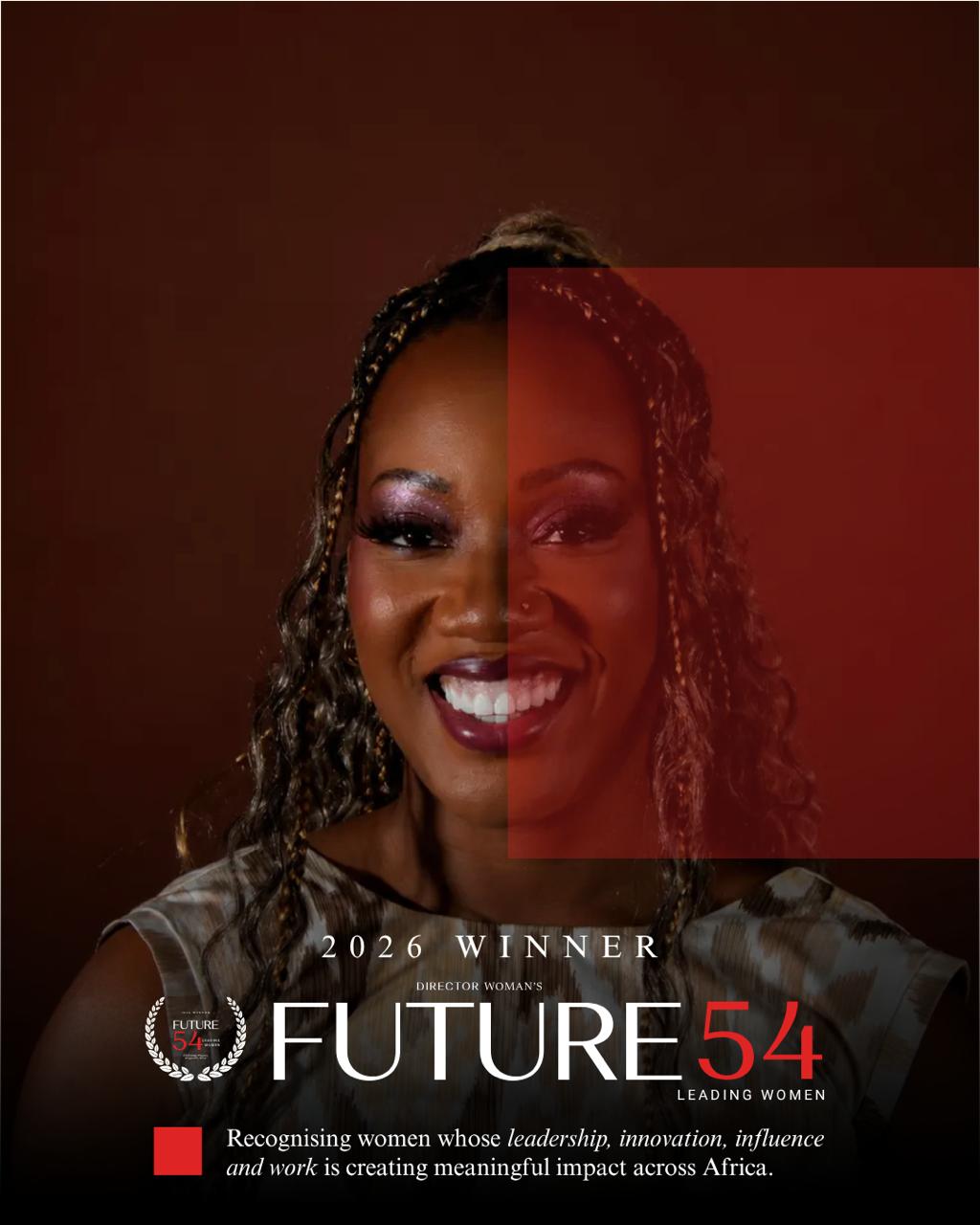
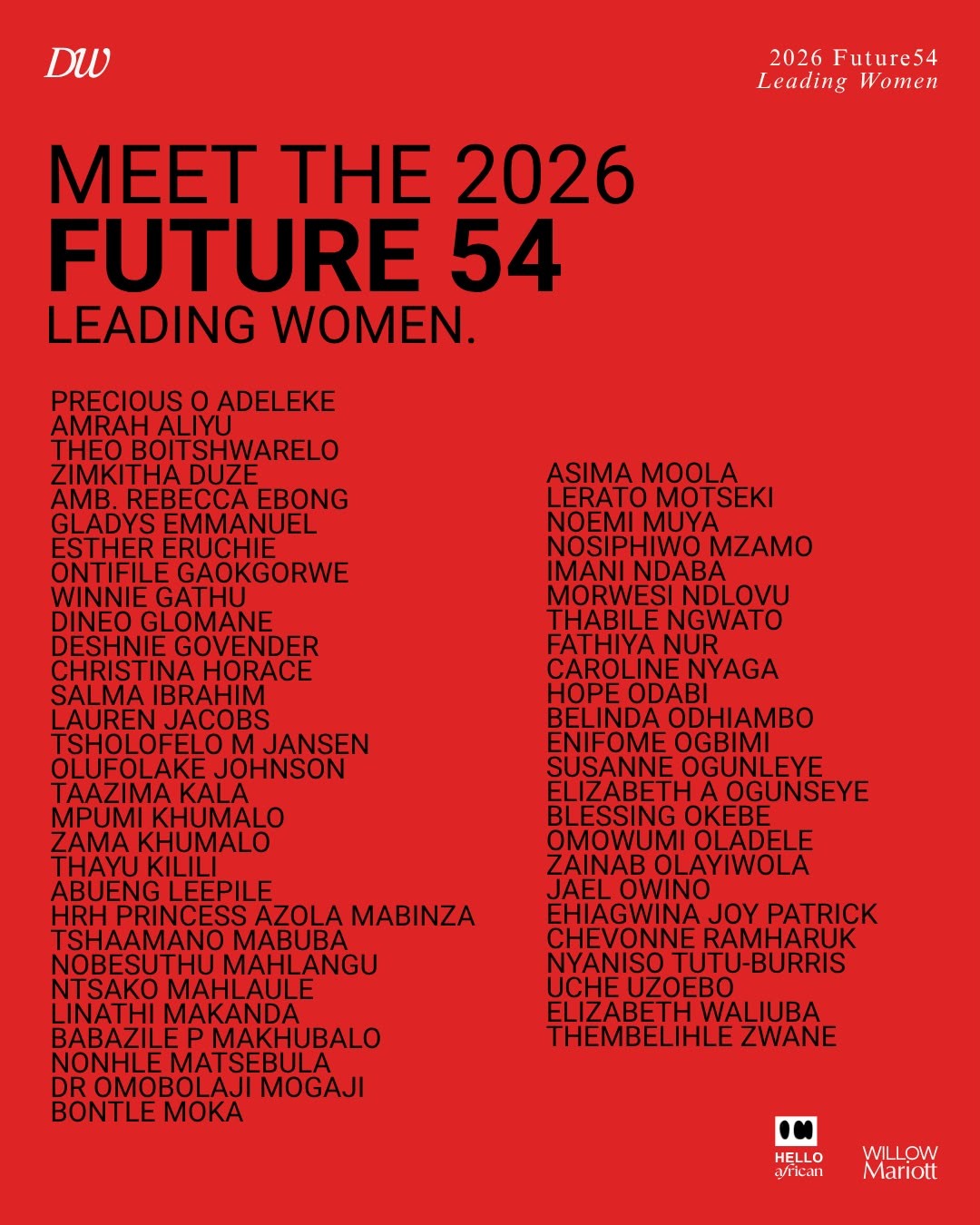
Nyaniso Tutu-Burris

There is a particular kind of founder mythology that I think we have become far too comfortable with: the idea of the person who built everything themselves.
We celebrate the visionary founder who knew exactly what to do, assembled a company from nothing, solved every problem and emerged at the end as “self-made.” The longer I build OneThread, the less I believe that person exists. I certainly know that is not how I got here.
I have started businesses and nonprofits before OneThread, and I can say transparently that one of the things that prevented some of them from scaling as well as they could have was me. More specifically, my inability to delegate. I was very good at believing that because I could do something, I should do it. The problem with building that way is that eventually you become the infrastructure everything depends on. If you stop, everything stops.
OneThread has forced me to unlearn that because the scale of what we are trying to build makes pretending I can do everything impossible. I know what I want our technology to do. I cannot build all of that technology. I know where I believe our money should go, but that does not make me a financial expert. I know the stories I want us to tell, but I do not want to spend my days managing social media. I have spent six years researching sustainability systems, but that does not suddenly make me a lawyer, accountant, developer, regulator, publicist, auditor and designer at the same time.
And actually, I think OneThread will be better because I am not.
Expertise Is Infrastructure
Years ago, I attended a roundtable about the relationship between creatives and business. I remember making the argument that I have never thought it was particularly fair that we expect creatives to automatically know how to become businesspeople. Creativity and business require different skills. We would never assume that someone who understands financial modelling can therefore design a beautiful collection, yet we regularly expect someone who can design a beautiful collection to understand accounting, contracts, marketing, compliance, logistics and operations simply because they decided to sell their work.
That expectation is part of a larger problem in how we think about entrepreneurship. We have turned competence into this strange idea that a capable founder should eventually be able to do everything. I think the opposite is true. The more complicated the problem becomes, the more important it is to know where your expertise ends.
The same principle applies to OneThread. Our job is translation. We are building infrastructure that helps African fashion businesses turn the sustainability work they are already doing into structured, traceable and eventually verifiable systems. But if a brand needs legal infrastructure, it deserves someone who understands law. If it needs financial infrastructure, it deserves financial expertise. If we are building technology, it deserves people who know how to build technology properly.
Trying to own every piece ourselves would not make OneThread stronger. It would make the ecosystem weaker.
There are people who are exceptionally good at their jobs. My responsibility is not to learn enough about their jobs to replace them. It is to understand enough to know why their expertise matters, bring the right people into the room and make sure all of those pieces can work together.
That is what infrastructure actually is. Not one brilliant thing standing alone, but multiple systems capable of communicating with one another.
The Company Got Better When I Stopped Being Its Centre
One of the strangest markers of growth for me has been learning that I can take a day off. That sounds small until you have built organisations where your absence means everything stops.
I work a lot. Weekends, public holidays, late nights. Eventually, members of my team started telling me that I needed to take a day off, and I remember them having to reassure me: the work will still get done if you are not here.
And it did.
I encourage my team to take mental health days, and now they will message me and simply say, “Hey, I’m taking a mental health day.” I love that they feel able to do that. But I have also had to learn to extend the same permission to myself. The reason I can now do that is not that my role has become less important. It is because everyone else’s role has become more established.
I can spend hours developing our frameworks, writing reports, meeting brands, speaking publicly and thinking about where OneThread needs to go because other people are doing the things I cannot simultaneously do. I can also be a parent while building this company because there are people around me carrying parts of the work.
The only reason I can be good at my job is that other people are good at theirs.
That lesson has shaped how I think about partnership too. Partnership, to me, is not simply about attaching another company’s logo to ours. The best partnerships should make both sides better at the work they already exist to do.

Partnership Should Make the Work Better
One of my favourite relationships we have built is with LawyeredUp. What I value most about that relationship is not simply that we have access to legal expertise. It is that the relationship has become intellectually collaborative.
We bring them a problem. They go away, sharpen their tools, ask questions, research, challenge our assumptions and come back with another way of thinking about it. Then we sit together and ask: what if we structured it this way? What are we missing? How does this work legally? How does it work practically? What does this mean for an African creative business actually trying to use it?
Sometimes the most valuable thing a partner can give you is not an answer. It is a better question.
That makes OneThread better. And as they become better at what they do, the infrastructure around our brands becomes stronger too. Their expertise grows and that knowledge comes back into the ecosystem. Our understanding of the brands grows and that knowledge informs the legal infrastructure. The relationship becomes reciprocal rather than transactional.
It would be irresponsible for us to decide that because legal compliance is part of our infrastructure, we should suddenly become a law firm. Our brands deserve better than that. They deserve people whose expertise is African legal and compliance systems, particularly people who understand the realities of creatives and smaller businesses.
The same principle applies elsewhere. Successful Journals handles our communications and PR because, if I am left entirely to myself, I will happily spend all day doing the work and occasionally forget that anybody else needs to know it exists. They help translate what we are doing into conversations other people can enter. Colab Creatives helps translate it visually, turning systems, ideas and research into creative assets people can actually understand.
Strangely, OneThread is a company built around translation that itself requires translators.
Our internal team translates research into infrastructure. Our legal collaborators translate that infrastructure into legally credible systems. Our communications partners translate the work into public language. Our creative collaborators translate it visually. Our team translates ideas into products people can actually use.
None of those functions is less important simply because I did not build it personally.
Partnership Is Also Accountability
There is another reason partnership matters, particularly for a company like ours: trust.
We are asking businesses to trust OneThread with important information. We are building systems around sustainability claims, evidence, compliance, traceability and verification. Those systems eventually have to communicate with regulatory environments and global markets.
It would be absurd for our answer to every question about credibility to simply be, “Trust us.” Trust is stronger when expertise can be challenged.
That is why I have spent so much time reaching out to people who know things I do not. Sometimes those conversations are with potential investors, but increasingly they are simply with people I respect who might look at what we are building and notice something I have missed. I ask people to challenge me. What haven’t I thought about? Who should I be talking to? Where does this break? What happens if we do it differently?
I have also begun reaching out directly to relevant European regulatory stakeholders, sharing information about what we are developing around Digital Product Passport readiness and asking whether the direction of our systems aligns with where regulation is moving. That is not an EU partnership, and I think the distinction matters. It is part of doing the less glamorous work of building responsibly: asking questions before claiming you have the answers.
When you are building something that has not existed in this form before, saying “I don’t know” becomes a necessary skill.
I know what I know. I have spent six years researching this field, and there are parts of this framework where I am comfortable saying that I have expertise. But expertise should make you more aware of the boundaries of your knowledge, not less. Every time someone asks me a question I have not considered, the system gets stronger.
Ubuntu Cannot Just Be Something We Measure
There is also a philosophical reason OneThread has to be built this way.
One of our ten sustainability pillars is Ubuntu-Driven Economies and Shared Value. We ask businesses to think about how value moves through communities, who participates in what they create, and whether the success of the company strengthens the ecosystem around it.
It would be deeply contradictory to build a framework around interdependence while operating OneThread according to the belief that we should own, control and capture everything ourselves.
If we believe in shared value, then our own success should create value for the people building alongside us. That includes our team. We have deliberately reserved equity for members of the team, mentors and advisors because OneThread has not been built by one person. The six years of research may have begun with me, but even during those years people were challenging me, advising me and helping me think.
There is no genuinely self-made person.
Somebody taught you. Somebody introduced you. Somebody gave you advice. Somebody watched your children. Somebody made dinner while you worked. Somebody invested. Somebody opened a door. Somebody told you that your idea was wrong and forced you to make it better.
The mythology of being self-made often erases the infrastructure of care, labour, knowledge and opportunity that made the achievement possible in the first place. And that is particularly interesting when we are talking about sustainability, because sustainability itself is fundamentally about systems. Nothing exists independently. Environmental systems are interconnected. Economies are interconnected. Supply chains are interconnected. Communities are interconnected.
Why would we build companies as though they are somehow exempt from that reality?
Independence makes for a compelling founder story. Interdependence builds better infrastructure.
The Ecosystem Has to Build the Ecosystem
Five years from now, I want the OneThread ecosystem to be bigger than OneThread. I want designers and artisans in the room alongside technologists. I want lawyers alongside regulators. Researchers alongside manufacturers. Investors alongside communities. Auditors, storytellers, governments, universities and people whose roles probably do not exist yet.
Because every one of them sees a different part of the system.
A regulator can tell us what needs to be proven. An artisan can tell us whether proving it that way is realistic. A lawyer can tell us how the relationship should be protected. A technologist can figure out how to capture the information. A researcher can ask whether the methodology is sound. A designer can tell us whether the entire thing makes sense while trying to run a fashion business.
And the community can tell us whether the system we have designed actually reflects the people it claims to serve.
That is how infrastructure should be built: not for an ecosystem, but with it.
Perhaps that is the larger lesson OneThread has taught me about leadership. My job is not to be the smartest person in every room. My job is to know what we are building clearly enough to recognise who needs to be in the room, and to be secure enough in my own expertise to listen when someone else knows more.
When OneThread succeeds (not if, when) I don’t want people to say we built another platform. There are enough platforms.
I want them to say we helped build a communication layer between Africa and the world: infrastructure capable of translating knowledge into evidence, relationships into systems, sustainability into proof and African realities into forms the global economy can recognise without asking Africa to become something else first.
That cannot belong to one founder, one company or even one industry. Infrastructure only works when people can build on it, contribute to it and trust it enough to use it.
And if that is the future we are trying to build, then it would never make sense to build it alone.