Customer-Centred Sustainability: Consumers buy better and shop consciously
Nyaniso Tutu-Burris
This article is part of the OneThread Ten Pillars of Sustainability series, a framework developed to challenge narrow definitions of sustainability and explore what sustainability looks like when viewed through an African lens.
I have bought “sustainable” clothes that I didn’t particularly like. I bought them because they were sustainable, or at least because I had been told they were. The material was better, the campaign said the right things, and buying them felt like the responsible choice. Then, sometimes, the garment didn’t last particularly long anyway.
A brand can tell me its cotton is organic. It can tell me its packaging is recyclable, its dyes are lower impact, and its production process uses less water. Those things matter. But after I give you my money, what happens next? Will the garment last? Can I repair it? Do I understand how to care for it? If something goes wrong, will you help me fix it, or is my only option to replace it?
Because you cannot call a product sustainable if the person who buys it has to throw it away the next year.
That contradiction was one of the reasons Customer-Centred Sustainability became one of OneThread’s ten pillars. Somewhere along the way, we built an enormous sustainability conversation around how a product is made without asking enough about what happens to the person who buys it.
We Cannot Sell Sustainability and Overconsumption at the Same Time
Fashion did not always move at its current speed. For much of the industry’s history, the dominant calendar revolved around major seasonal collections, usually Spring/Summer and Autumn/Winter, sometimes supplemented by smaller releases. Today, consumers can encounter new collections monthly, weekly and, in parts of fast fashion, almost continuously.
That creates a contradiction I don’t think the sustainability industry confronts enough. We cannot tell consumers to buy sustainably while simultaneously building a commercial system designed to make them consume constantly.
It does not really matter how sustainably you manufacture an individual garment if the business model still depends on flooding people’s wardrobes with things they don’t need. There is also less incentive to design something to remain desirable for ten years when the customer is being encouraged to replace it in ten weeks.
Yet much of the responsibility for solving fashion’s environmental impact has somehow landed with the consumer. Buy better. Shop consciously. Read your labels. Choose sustainable materials. Wash responsibly. Recycle. Resist trends.
Fine. There is absolutely a role for consumer responsibility, but there also has to be a point where we ask what responsibility the business has in creating the conditions for sustainable consumption in the first place.
Did you make something worth keeping? Did you make it well enough to survive being worn? Did you give me the information required to care for it? If it breaks, can it be repaired? If customers consistently tell you something is wrong, do you change it?
Customer-Centred Sustainability starts there. It asks us to stop treating sustainability as something that ends at production and begin looking at the entire relationship between the product, the business and the person who eventually owns it.
Durability Is an Environmental Issue and an Economic One
There is an old economic analogy about buying boots that has always stayed with me. A person with more money can afford an expensive, well-made pair that lasts for years, while someone with less money repeatedly buys cheaper versions because they wear out faster. Over time, the person who could least afford to spend more can end up spending more simply because they could not afford durability upfront.
That matters enormously when we talk about sustainability in African markets.
Making products that last is obviously an environmental issue. Every garment repaired instead of replaced is another garment that does not immediately become waste. But durability is also an economic issue because not everyone has the purchasing power to replace their wardrobe every few months.
I certainly don’t shop that way. I might buy clothes for myself every few months, usually only a couple of pieces at a time. When I buy something, I expect to keep it. That expectation becomes even more important in markets where replacing a garment represents a meaningful household expense.
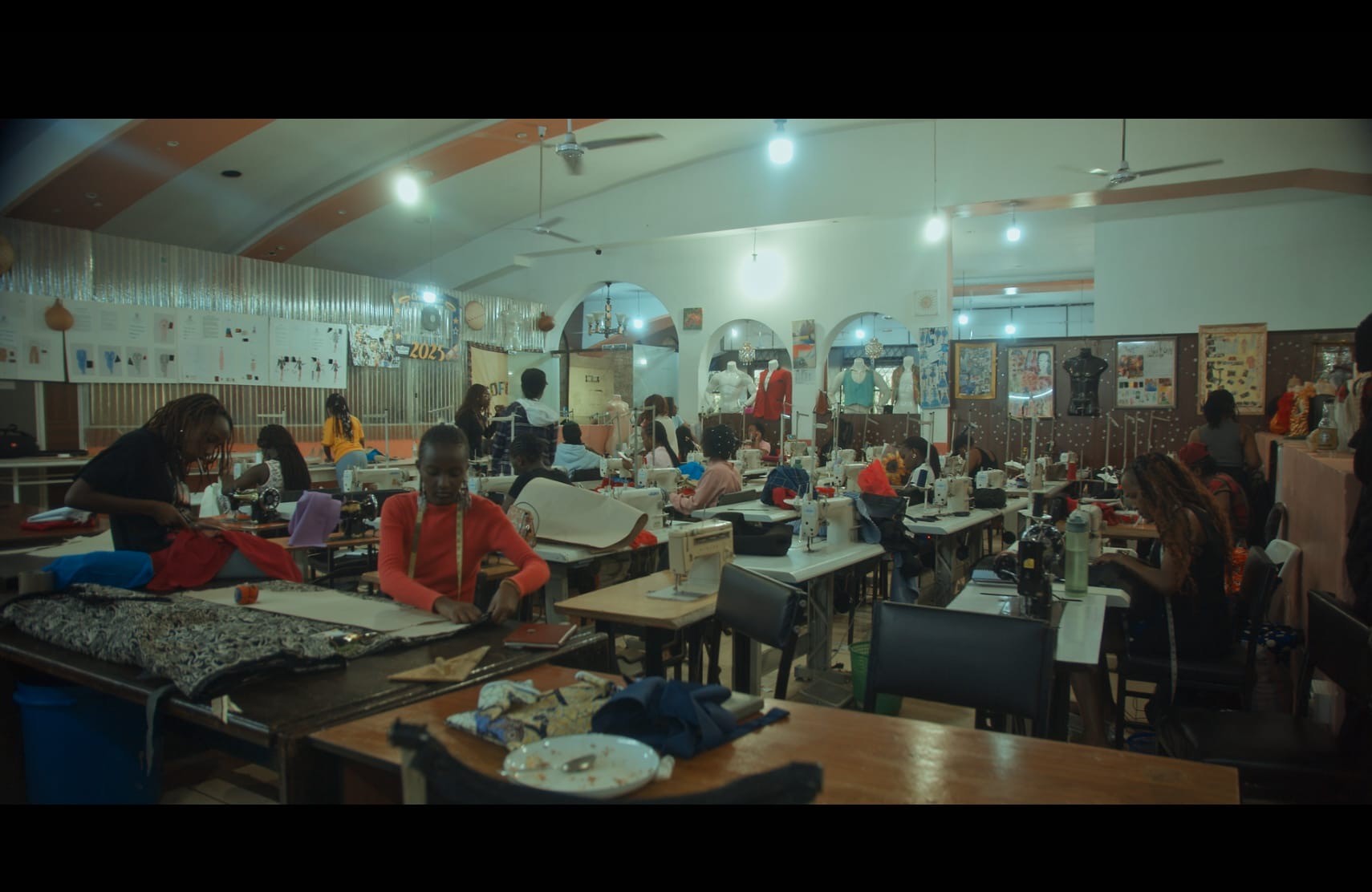
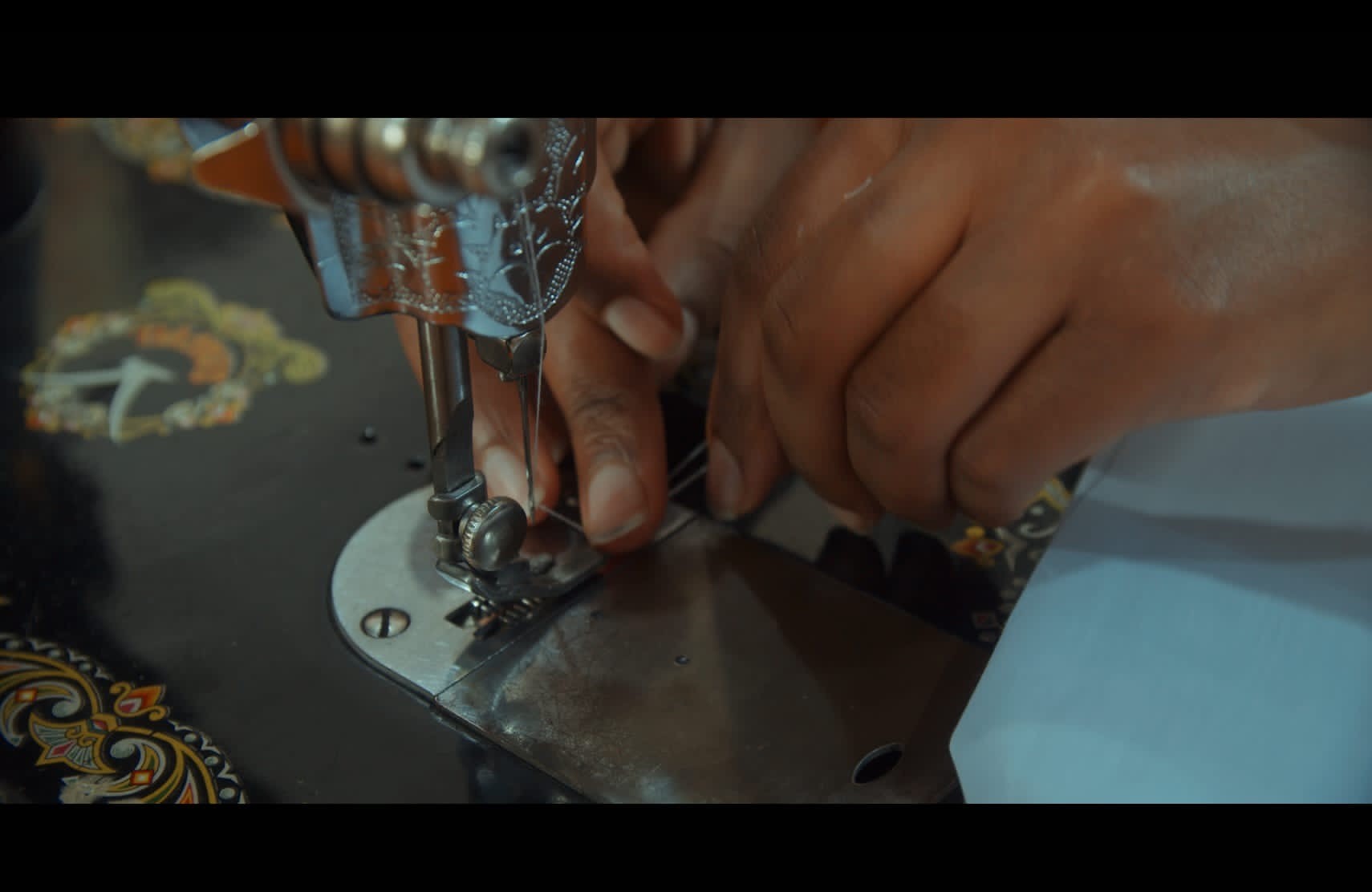
There is also something interesting about the way many African economies already understand longevity. Tailors alter clothes. Shoes are resoled. Zips are replaced. Garments are passed between siblings and generations. Clothes are reworked rather than immediately discarded. Not necessarily because somebody sat down and called it a circular economy, but because throwing away something that could still be useful did not make economic sense.
Some of what the global sustainability industry is now formalising as circularity has existed as ordinary behaviour for generations.
The opportunity is to bring that thinking into the relationship between brands and customers deliberately. There are already examples. Luxury houses offer repair and restoration services for products. Woolworths has introduced tailoring services in selected stores, allowing customers to alter garments so the thing they have already purchased actually works for their body.
Neither idea is particularly revolutionary, and that is precisely the point. Sometimes customer-centred sustainability is simply asking: how do I help you keep this?
Care Cannot Be a Disclaimer
The same thinking applies to care instructions.
If I buy a garment labelled “dry clean only,” technically the brand has given me instructions. But customer-centred design should ask another question: is that the only way this product can reasonably survive?
Dry cleaning costs money. The assumption that somebody who could afford a garment can therefore indefinitely afford its most expensive maintenance option does not necessarily reflect reality. Someone may have saved for that purchase. They may have bought it for an important occasion. They may simply live somewhere where specialist garment care is difficult to access.
Tell me the ideal care instructions, absolutely. But where possible, tell me my alternatives too. If I cannot dry clean this every time, what can I do? Can it be gently hand washed? What should I avoid? How can I extend its life?
There will obviously be materials that genuinely require specialist care. Customer-Centred Sustainability is not about pretending material science does not exist. It is about designing and communicating with the reality of the person using the product in mind.
A care label should help me preserve something, not simply absolve the manufacturer when it breaks.
Transparency Only Works If I Can Understand It
The same principle applies to sustainability information itself. If the information about a product exists somewhere inside a ninety-page sustainability report written in technical compliance language, I don’t think that automatically counts as meaningful transparency to the customer.
Transparency requires accessibility.
If I have to search extensively to discover where something came from, what it contains, how it was made, what sustainability claim you are actually making, or what happens when it reaches the end of its useful life, then the information may technically be public, but it was not necessarily designed to be seen.
That distinction is becoming increasingly important as fashion moves towards Digital Product Passports and greater product-level traceability. Much of the industry conversation understandably focuses on compliance: what information businesses will need to collect, which data points will be required and how that information will move through supply chains.
But there is another side to that infrastructure that interests me just as much: what happens when the customer can finally see it?
Imagine being able to scan a garment and understand where its materials originated, how it should be cared for, what can be repaired, what sustainability claims the company has made and what evidence exists behind those claims. Product information stops being something hidden inside corporate reports and begins travelling with the product itself.
That changes the relationship between customer and brand because sustainability stops being something the company simply tells you to believe. Increasingly, it becomes something you can interrogate.
The Customer Is Also Data
There is another part of this pillar that businesses often underestimate: what happens when customers talk back.
Returns matter. Complaints matter. Reviews matter. Repair requests matter. Repeat purchases matter. Not simply as customer-service metrics, but as sustainability data.
If forty customers return the same garment because the same seam keeps breaking, that tells us something about the sustainability of the product. If customers repeatedly complain that a fabric does not survive washing, that should feed back into material selection and design. If people consistently repair the same component, perhaps that component needs to be redesigned.
Customer feedback should create a loop between use and production. The product leaves the business, but information should come back.
Retention tells us something too. There is a difference between having one hundred people buy from you once and having twenty people return to you continuously. Neither metric tells the entire story, but repeat customers can indicate trust, satisfaction, service quality and a relationship that extends beyond a single transaction.
This is where Customer-Centred Sustainability moves from values into systems.
At OneThread, it is not enough for a brand to say it cares about its customers. We are interested in whether that care leaves evidence. Are complaints recorded and resolved? Are repairs tracked? Are returns analysed? Is customer feedback incorporated into future design decisions? Are care instructions accessible? Does the brand understand why customers return, not just why products do?
This is an important distinction across all ten of our pillars. Many brands are values-led. They genuinely care about sustainability, their workers, their communities and their customers. But global sustainability systems increasingly ask businesses to move from values-led sustainability towards systems that allow those values to be documented, measured and eventually verified.
The goal is not to replace care with data. It is to make sure the data can prove the care exists.
Sustainability Should Sustain the Person Too
For years, sustainable fashion has concentrated heavily on the life of the garment before purchase: where the fibre came from, who manufactured it, what chemicals were used, how much water production consumed and how the product travelled. We need all of that information, and the future of traceability will make much more of it visible.
But the story cannot stop at the checkout.
The person buying the garment becomes part of its sustainability system too, and that creates responsibilities on both sides. Customers can care for products properly, repair where possible and resist unnecessary consumption. But brands must give them products worth caring for in the first place.
That means durability, repairability and understandable information. It means listening when products fail and designing better ones next time. It means recognising that a garment lasting longer is good for the environment, but it is also good for the person who worked to afford it.
Perhaps that is what Customer-Centred Sustainability ultimately asks us to remember. Sustainability is not only about making a product that can survive the production process with a smaller footprint. It is about whether that product continues creating value once it leaves your hands.
Because if the future of fashion is truly sustainable, the measure of a good product cannot simply be how responsibly we made it.
It must also be how long somebody gets to love it.