Materials & Sourcing: The Story Begins Before the Sewing Machine
Nyaniso Tutu-Burris
This article is part of the OneThread Ten Pillars of Sustainability series, a framework developed to challenge narrow definitions of sustainability and explore what sustainability looks like when viewed through an African lens.
When we talk about sustainable fashion, we almost always begin in the wrong place.
We start with the finished garment. We ask who made it, whether the workers were paid fairly, whether the dye was environmentally friendly, or whether the packaging is recyclable. These are important questions, but they are not the first questions we should be asking.
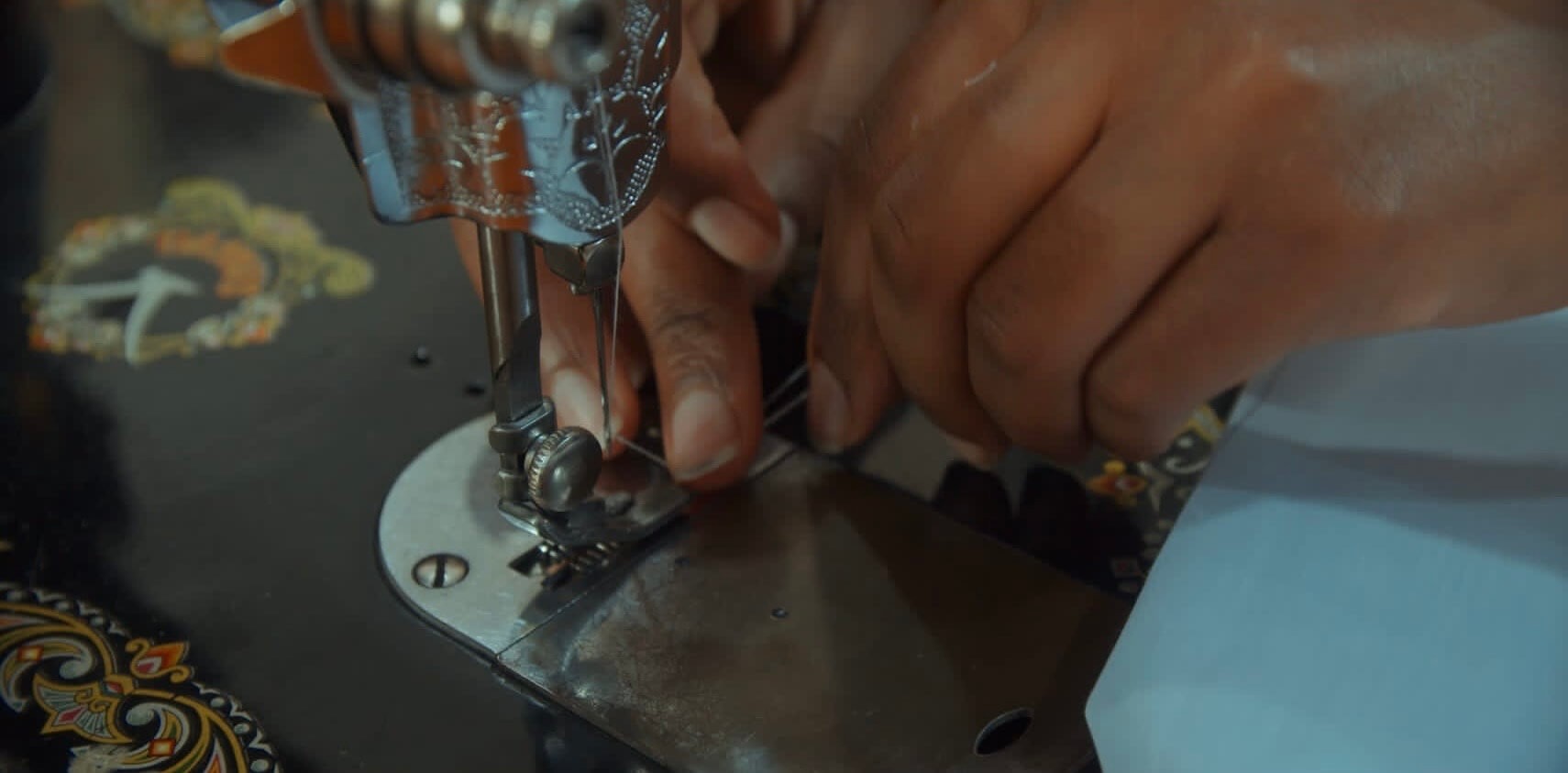
~ An artisan threading their sewing machine, OneThread Africa
The story of a garment doesn’t begin with a sewing machine.
It begins with a seed.
Or perhaps even before the seed. It begins with the land, the soil, the water, and the generations of knowledge that make it possible for that seed to grow in the first place. It begins with the farmer who cultivates the fibre, the community that has protected that land, the person who harvests it, the mill that processes it, and every decision that is made before a designer ever sketches a silhouette.
By the time fabric reaches a factory, much of its sustainability story has already been written.
That is why I believe sustainability begins at origin.
Because before we ask how something was made, we have to ask where it came from.
Africa Has Always Been the Beginning
There is an irony at the heart of the global fashion industry that we rarely acknowledge.
Africa has always been one of the world’s greatest sources of raw materials. Cotton, leather, wool, natural fibres, botanical dyes, precious minerals, and some of the richest biodiversity on earth all begin here. Yet despite providing so much of the beginning of the fashion value chain, we have historically owned very little of the end.
For centuries, the continent has exported raw materials while importing finished value. We export the cotton and buy back the T-shirt. We export the leather and buy back the handbag. We export the natural resources while someone else captures the manufacturing, the branding, the intellectual property, and ultimately, the profit.
That is not simply an economic story.
It is a sustainability story.
Because sustainability cannot solely be about protecting resources. It also has to ask who benefits from those resources. If the communities growing the fibre remain the poorest part of the value chain, can we honestly describe the system as sustainable? If the land produces wealth but the people do not experience it, then something fundamental is broken.
For me, materials and sourcing are really about ownership. They ask us who owns the beginning of the story and who captures its value by the end.
The Violence of Invisible Supply Chains
One of the greatest achievements of modern supply chains is also one of their greatest failures: they have made origin invisible.
We walk into a store and see a finished garment. We notice the colour, the fit, the label, the price tag, perhaps even a sustainability certification stitched into the seam. What we rarely see is everything that came before it.
We don’t see the farm where the fibre was grown. We don’t see the communities who have cultivated that crop for generations. We don’t see the person sorting fibres by hand or the mill where the raw material first became fabric. We don’t see the rivers that supplied the water, the soil that sustained the harvest, or the traditional knowledge that made production possible long before modern supply chains existed.

~ Cotton harvesting in South Africa, Cotton SA
That disconnection matters - invisibility makes extraction easy. It is much easier to underpay workers you never meet, overuse water in communities you will never visit, or strip value from places consumers never think about.
Invisible supply chains don’t just hide information.
They hide responsibility.
Why “Organic” Isn’t Enough
One of the things that has always fascinated me about sustainability is how quickly we’ve reduced incredibly complex systems into marketing language.
Organic.
Natural.
Eco-friendly.
Responsibly sourced.
Regenerative.
As though a single word could ever tell the full story of how something came to exist.
Take organic cotton.
For years we’ve been told that organic cotton is the sustainable choice, and in many ways it absolutely can be. Organic farming often reduces synthetic pesticides and fertilizers and can have important environmental benefits. But “organic” is only one chapter of a much larger story.
When someone tells me a garment is made from organic cotton, my instinct is no longer to celebrate the label. My instinct is to become curious.
Who grew the cotton?
Who owns the farm?
Who owns the seed?
How much water did it require?
Who processed the fibre?
How far did it travel?
Did the surrounding ecosystem become healthier because of its cultivation?
Did the local community become more resilient, or did the value disappear the moment the cotton left the farm?
None of those questions are answered by the word “organic.”
Because sustainability has never been a label.
It has always been a system.
The more I work in this space, the more I realise that we’ve become obsessed with finding the right materials instead of asking the right questions.
The Myth of Ethical Sourcing
This is also why I find myself uncomfortable with the way we sometimes talk about sourcing.
It has become very easy to reduce the conversation to moral judgments.
Why are you sourcing from China?
Why aren’t you sourcing locally?
But sustainability is rarely that simple.
If a designer in Kenya imports fabric from China, I don’t think the first question should be, “Why didn’t you buy local?” I think the first question should be, “What made that the most viable option?”
Was it cost?
Was it availability?
Was it quality?
Was there local processing infrastructure?
Did trade policy make imported materials more accessible than domestic ones?
Those answers tell us far more about sustainability than the country listed on an invoice.
Sometimes importing isn’t a failure of sustainability at all.
Sometimes it’s evidence that we’ve failed to invest in the systems that would make local sourcing viable in the first place.

~ Textile manufacturing in South Africa
If regenerative fibres exist but cannot be processed locally, that isn’t simply a sourcing problem.
It’s an infrastructure problem.
If artisans cannot access finance to scale production, that isn’t just a business challenge.
It’s an ecosystem challenge.
Sustainability should help us understand systems.
Not create new ways to shame people operating within them.
Regeneration Means Leaving More Behind Than You Took
One of the words that has become increasingly popular in sustainability is regeneration. We hear about regenerative agriculture, regenerative fibres, regenerative materials, and regenerative fashion. Like many sustainability terms, it has become a buzzword, and while the intention is often good, I sometimes worry that we’ve reduced it to another environmental checklist.
When most people hear the word regenerative, they think about healthier soil. They think about biodiversity, carbon sequestration, cleaner water, and ecosystems recovering from years of degradation. Those things are incredibly important. We cannot talk about sustainability without talking about the health of the natural systems that sustain all life.
But I don’t believe regeneration ends there.
A truly regenerative system regenerates everything it touches.
It regenerates the land by restoring nutrients rather than depleting them. It regenerates waterways by ensuring they are cleaner after production than they were before. It regenerates biodiversity by creating space for ecosystems to recover rather than forcing them into decline.
But it should also regenerate people.
It should regenerate local economies by creating jobs that allow communities to prosper rather than merely survive. It should regenerate traditional knowledge by valuing the people who have spent generations understanding local materials, climates, and ecosystems instead of replacing that knowledge with imported assumptions. It should regenerate opportunity by ensuring that the communities closest to the source of a material are also able to participate in the value it creates.
Too often, we separate environmental regeneration from economic regeneration, as though they are two different conversations. But they are deeply connected. A forest cannot be protected if the people living alongside it have no economic alternative to cutting it down. A farming community cannot continue regenerative practices if those practices leave them poorer than conventional ones. Likewise, an ecosystem cannot truly be considered healthy if the people responsible for caring for it are trapped in cycles of poverty.
This is one of the reasons I believe Africa has so much to contribute to the future of sustainability. Across the continent, many traditional systems never viewed people and nature as competing priorities. The health of the land and the wellbeing of the community were understood to be interdependent. You protected the land because the land sustained you. You cared for the ecosystem because your future depended on its ability to care for you in return.
That is the kind of regeneration I think we should be striving for.
Not simply systems that take less.
But systems that leave more behind than they found.
More fertile soil.
Cleaner water.
Stronger communities.
More resilient local economies.
Greater knowledge.
Greater ownership.
Greater opportunity.
Because regeneration is not simply about reducing harm.
It is about creating conditions in which both people and the planet are able to flourish together.
And that, to me, is what sustainable sourcing should really aspire to.
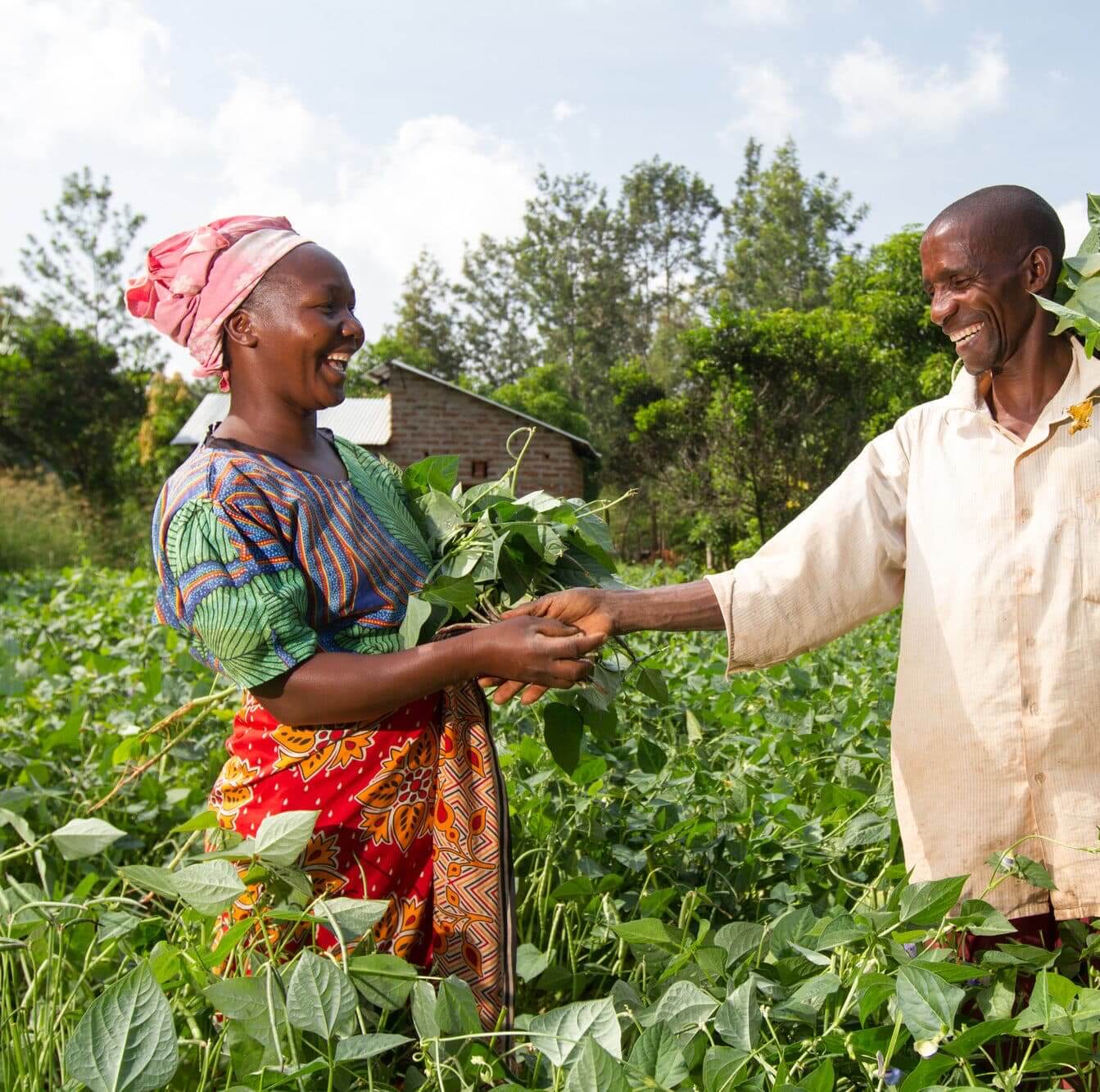
~ Farming and community, Farm Africa
Traceability Is Really About Power
One of the biggest conversations in fashion today is the Digital Product Passport.
Most people describe it as another compliance requirement. Another reporting framework. Another regulation that brands will have to navigate.
I think it’s asking something much more profound.
It’s asking us to know where things come from.
Not just geographically.
Economically.
Socially.
Environmentally.
The Digital Product Passport isn’t really interested in where you bought your fabric.
It’s interested in understanding its journey.
Because traceability isn’t really about paperwork.
It’s about power.
When you know where something came from, you can begin asking who benefited from its existence. You can see where value was created, where value was extracted, and where value should have stayed.
That changes everything.
Because traceability isn’t simply documenting a supply chain.
It’s making a supply chain visible.
And once something becomes visible, it becomes much harder to ignore.
From Seed to Seam
Every material leaves behind data.
Every supplier creates evidence.
Every transaction, every certificate, every sourcing decision, every audit, every farm, every harvest, every transport document contributes another piece of the story.
At OneThread, our role is to connect those pieces together.
We help brands transform disconnected information into living sustainability infrastructure. Through supplier registers, material sourcing logs, traceability records, certifications, environmental documentation, and verification pathways, we don’t just help brands tell better stories - we help them prove them.
That’s the difference between sustainability as philosophy and sustainability as infrastructure.
One inspires trust.
The other earns it.
From Material Stories to Material Evidence
One of the things I’ve realised through this work is that everyone has a story.
Every brand can tell you where their cotton came from. Every supplier can promise ethical sourcing. Every label can claim to be regenerative, responsible, or sustainable. Stories matter - they always will. They are how we connect with products, people, and purpose. But stories, on their own, are no longer enough.
The future of sustainable sourcing will not be built on better storytelling. It will be built on better evidence.
That is one of the reasons we built OneThread. Our philosophy has always been that Africa is sustainable by tradition. Long before sustainability became a global movement, communities across this continent were repairing instead of replacing, working with natural fibres, respecting seasonal cycles, and building livelihoods around relationships with the land. The challenge has never been the absence of sustainable practices. The challenge has been that those practices have rarely been documented in ways that make them visible, measurable, and verifiable.
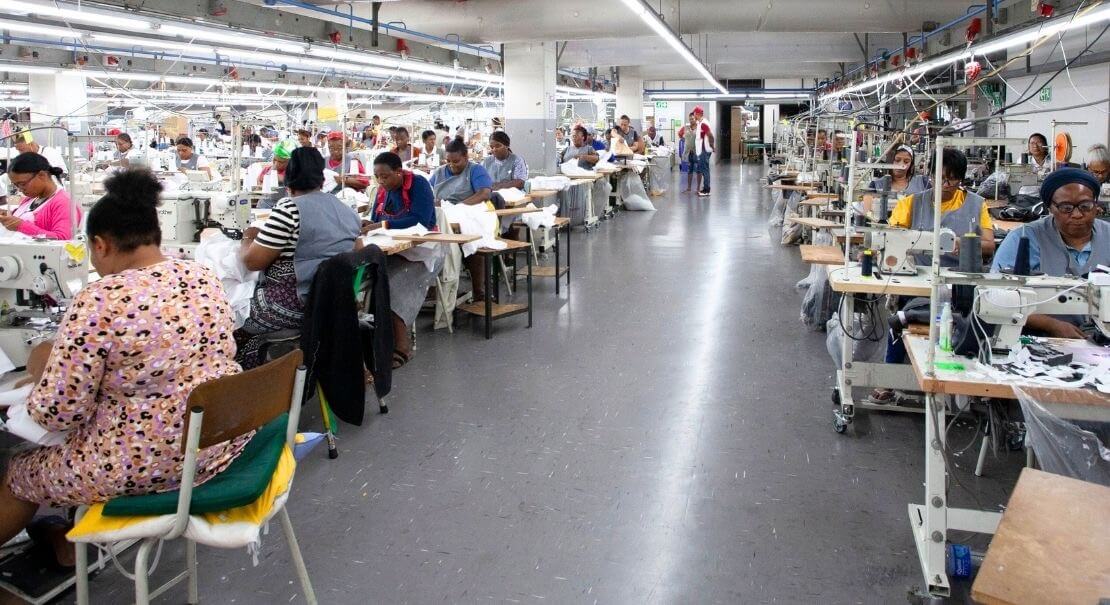
~ Clothing manufacturer in South Africa, Pepkor
\When a brand tells us that it sources locally, our response isn’t simply to believe or disbelieve the claim. We ask what evidence supports it. Where did the material come from? Who supplied it? Can we trace its journey? If a business says its materials are regenerative, how is regeneration being measured over time? If a community is benefiting economically, where is that recorded? If a supplier says they follow ethical practices, how can those practices be demonstrated rather than simply described?
Those are no longer philosophical questions. They are operational ones.
That is why the Materials & Sourcing pillar doesn’t simply ask brands where they bought their fabric. It asks them to document material origins, supplier information, chain of custody, farming and harvesting practices, processing methods, certifications, transport records, and the evidence needed to substantiate every sustainability claim they make. Because sustainability changes the moment it is documented. It moves from intention to accountability, from marketing to measurement, and from trust to verification.
Every material leaves behind a trail of evidence. Every supplier, every harvest, every shipment, every processing decision creates another piece of the story. At OneThread, our role is to connect those pieces together. We help brands transform scattered information into living sustainability infrastructure, so that they don’t simply have a compelling narrative about their materials – they have the data to prove it.
That is the difference between sustainability as an aesthetic and sustainability as infrastructure. One tells a story. The other makes that story verifiable.
The Story Begins at the Beginning
We spend so much time asking who made our clothes.
It’s an important question.
But perhaps it isn’t the first one.
Perhaps the first question is: who grew it?
Who cared for the soil?
Who protected the seed?
Who carried the knowledge?
Who harvested the fibre?
Who processed the material?
Who benefited before it ever became a garment?
Because if sustainability begins long before production, then responsibility does too.
A garment is never simply sewn.
It is grown.
It is cultivated.
It is harvested.
It is processed.
It is transported.
It is shaped by people whose names we may never know unless we choose to ask.
I don’t think the future of sustainable fashion will be defined by whether we choose cotton over hemp, linen over polyester, or one certification over another. Those decisions matter, but they are only part of the story.
Because the story of a garment doesn’t begin with a sewing machine.
It begins with a seed.
And until we learn to value the beginning of that story as much as we celebrate the end of it, we will continue mistaking sustainable aesthetics for sustainable infrastructure.
For generations, African fashion has carried sustainability within its traditions. Long before sustainability became a global industry, communities were repairing, regenerating, sharing resources, and building relationships with the land that understood interdependence rather than extraction.
Our challenge has never been creating sustainability.
Our challenge has been proving it.
That is why OneThread exists.
Because the future of sustainable sourcing will belong to the brands that can connect every fibre to its origin, every claim to evidence, and every story to data.
Sustainable by tradition.
Provable by data.