Why Are We Calling This a New Problem for Africa?
Nyaniso Tutu-Burris

The European Union (EU) has banned the destruction of unsold clothing, and suddenly people are asking whether Europe’s excess stock might end up in Africa.
My question is: where do we think it has been going?
There is something almost circular about the conversation happening right now. In 2018, Burberry made international headlines after disclosing that it had destroyed £28.6 million worth of unsold clothing, accessories and perfume in a single year. Over five years, the value of goods it had destroyed exceeded £90 million. The revelation caused understandable outrage, but it also forced a conversation about why luxury brands would destroy perfectly usable products in the first place.
Destruction was not somehow integral to producing clothing. It was, among other things, a mechanism for controlling what happened to surplus: preventing uncontrolled discounting and resale, maintaining scarcity and protecting brand value. Luxury, after all, is not only about what a product is. Its value is also constructed around who can access it, at what price and under what conditions. Contemporary reporting around the practice even raised the uncomfortable class dimension of brands not wanting their products to reach the “wrong” consumers and, in doing so, dilute their exclusivity.
Fast-forward to 2026, and European sustainability regulation now says that large companies cannot simply destroy unsold apparel. Environmentally, that makes intuitive sense. Producing a garment requires materials, water, energy, labour, chemicals, transportation and carbon. Deliberately destroying that garment before it is ever worn is difficult to reconcile with any serious definition of sustainability.
But prohibiting destruction does not make the excess disappear.
If a company produces 100,000 garments and sells 70,000, preventing it from destroying the remaining 30,000 does not unmake them. Those garments still have to go somewhere. They can be discounted, stored, resold, donated, recycled, remanufactured or exported.
And suddenly, Africa appears in the conversation.
Could Europe’s unwanted clothing now flood African markets? Could the prohibition unintentionally increase textile waste elsewhere? Could African countries end up carrying the environmental burden of Europe’s well-intentioned sustainability policy?
These are important questions. But describing this as a new problem for Africa requires us to ignore the system that existed long before this regulation.
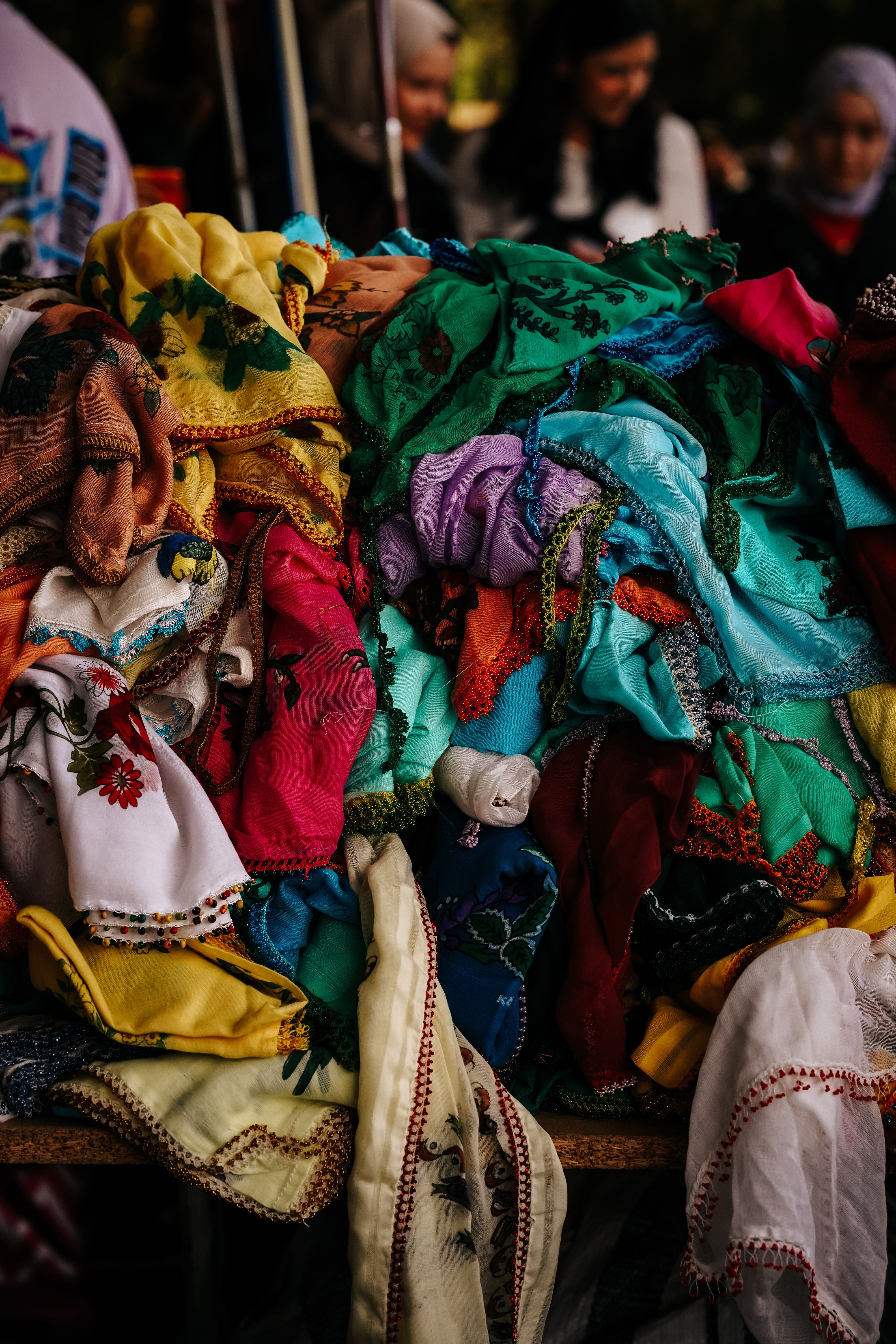
Mitumba markets did not begin in 2026. The global secondhand clothing trade did not begin with the EU’s prohibition. African countries have been receiving, sorting, transporting, repairing, altering, reselling, upcycling and ultimately disposing of clothing originating elsewhere for decades. The markets we are suddenly worried might receive Europe’s surplus already exist.
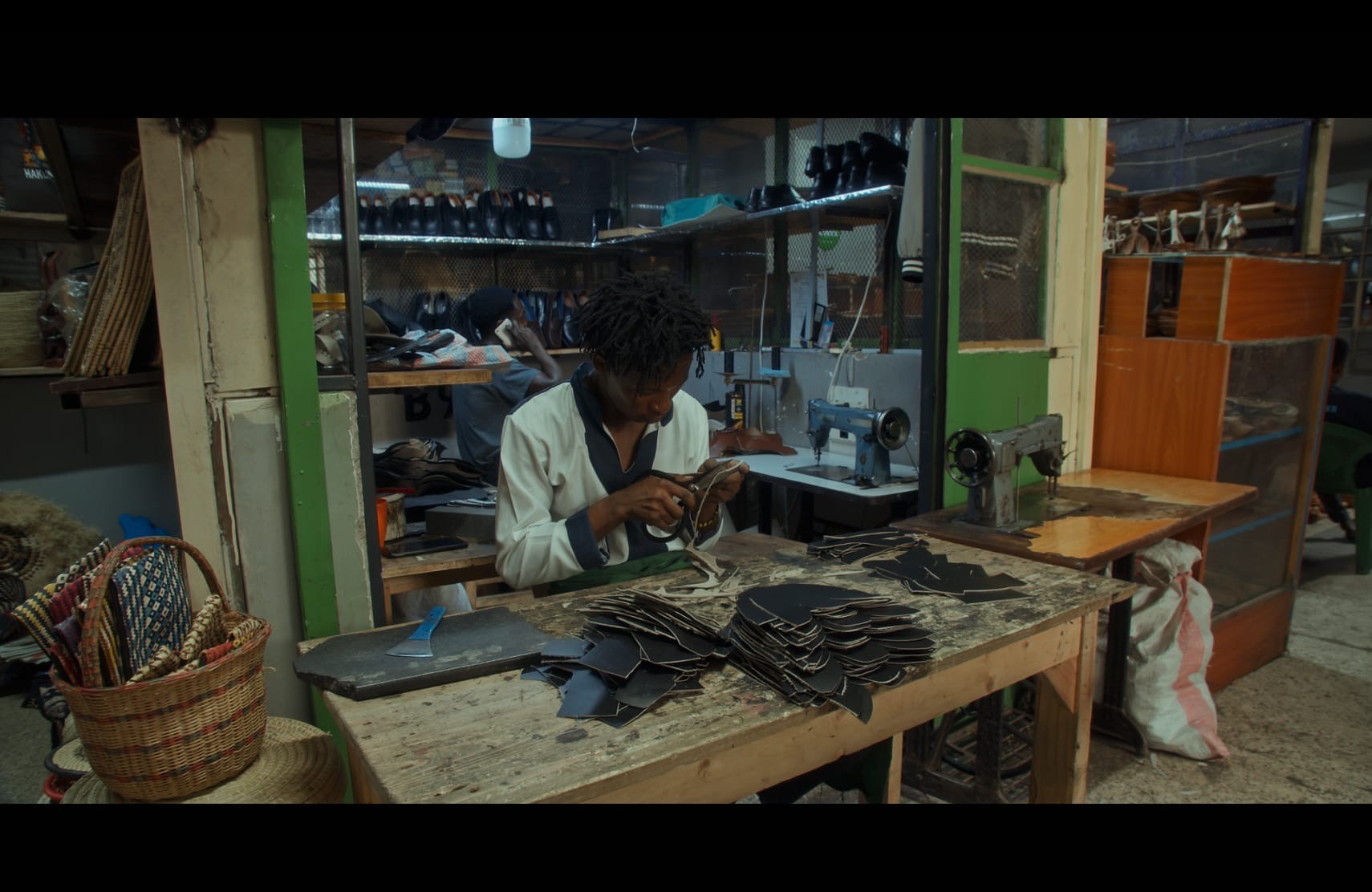
That does not make secondhand clothing inherently bad. This is where the conversation often loses necessary complexity. Mitumba is not simply a mountain of unwanted Western clothing arriving in Africa. It is also an economy. It provides affordable clothing and supports traders, transporters, sorters, tailors, repairers, resellers and upcyclers. Businesses are creating real value from clothing that might otherwise have been discarded.
At the same time, not everything arriving in a bale is wanted. Not everything is wearable. Not everything sells. When that fraction reaches its actual end of life, someone still has to deal with it. If the receiving market does not have adequate collection, recycling or waste-management infrastructure, the environmental cost does not somehow travel back to the country where the garment originated. It remains where the garment ended up.
Both realities can be true. Secondhand trade can create livelihoods and value while the global system around it can simultaneously transfer environmental burdens. Sustainability policy has to be sophisticated enough to hold both ideas at once.
That is also why I struggle with the seemingly obvious alternative: simply close African markets to imported secondhand clothing.
Closing a market is not the same thing as building an industry.
African textile and fashion ecosystems are growing, but industrial capacity cannot be created through absence. Manufacturing requires capital, reliable energy, logistics and machinery. Designers need access to materials. Recycling requires collection, sorting and processing infrastructure. Businesses need financing. Workers need skills development. And consumers still need clothing at prices that reflect the economic realities in which they live.
We should absolutely be building stronger African textile manufacturing, deeper intra-African value chains and better circular infrastructure. But removing today’s economic system before the infrastructure for tomorrow’s exists can simply cripple the people who currently depend on it.
The choice should not be between allowing everything in and shutting everything out. The more useful question is: how do African countries participate in global trade without becoming the end-of-life strategy for global overproduction?
That requires us to distinguish trade from waste displacement.
A garment entering a secondhand market, finding another owner and remaining in use has extended its useful life. That has value. But a receiving country being overwhelmed by volumes of low-quality or unwanted clothing, leaving local communities responsible for sorting and disposing of what cannot be sold, is something different.
And that distinction exposes a weakness in how we often measure circularity.
If a garment leaves a European warehouse and is exported for reuse, it can look successful on a sustainability dashboard. It was not destroyed. It did not enter a European landfill. It was “reused.”
But what happened next?
Was there demand for it? What condition was it in? How much of the shipment could actually be sold? How long did those garments remain in use? What happened to those that couldn’t be sold? Who paid to manage that waste? Did the receiving country have the infrastructure to process it?
If we stop measuring when the product leaves Europe, we have not measured circularity.

We have measured departure.
And this is where my concern becomes larger than this particular regulation. Sustainability cannot end at a border simply because regulatory jurisdiction does.
If European destruction rates fall, that is good. If fewer textiles enter European landfills, that is good. If more products are repaired, genuinely reused or recycled, that is good. But if some of those improvements are achieved by moving material and its eventual environmental burden somewhere else, we have to continue following the product.
Otherwise, we may not be measuring whether fashion has become more sustainable. We may be measuring whether Europe has become visibly cleaner.
Those are not the same thing.
This is not an argument against prohibiting the destruction of unsold clothing. Destroying perfectly usable products to protect scarcity or commercial value is an indefensible use of resources. The prohibition is an important intervention.
But “don’t destroy it” cannot be where the intervention ends.
We have to ask why so much was produced that it became surplus in the first place. We have to improve forecasting and production models, design for longevity and repair, develop genuine fibre recovery and remanufacturing systems, and create producer responsibility that does not conveniently disappear when a product crosses a border. We also have to invest seriously in African manufacturing and circular infrastructure without pretending that shutting African economies off from global trade will create that capacity overnight.
Most importantly, we need to stop treating Africa’s role in the global clothing afterlife as though we have only just discovered it.
The new European regulation may change the volume or type of clothing entering secondary markets. It may create new incentives and new unintended consequences, and those absolutely deserve scrutiny. But if our baseline begins in 2026, whatever happens next will appear to be the entire problem rather than the newest layer of a much older system.
Perhaps, then, the most important question raised by Europe’s prohibition is not whether it will create a new problem for Africa.
It is why it took a new European regulation for so many of us to notice the problem that was already here.
Because sustainability cannot mean “it didn’t become waste here.” We have to keep following the product.